Archives
- 2026-06
- 2026-05
- 2026-04
- 2026-03
- 2026-02
- 2026-01
- 2025-12
- 2025-11
- 2025-10
- 2025-09
- 2025-03
- 2025-02
- 2025-01
- 2024-12
- 2024-11
- 2024-10
- 2024-09
- 2024-08
- 2024-07
- 2024-06
- 2024-05
- 2024-04
- 2024-03
- 2024-02
- 2024-01
- 2023-12
- 2023-11
- 2023-10
- 2023-09
- 2023-08
- 2023-07
- 2023-06
- 2023-05
- 2023-04
- 2023-03
- 2023-02
- 2023-01
- 2022-12
- 2022-11
- 2022-10
- 2022-09
- 2022-08
- 2022-07
- 2022-06
- 2022-05
- 2022-04
- 2022-03
- 2022-02
- 2022-01
- 2021-12
- 2021-11
- 2021-10
- 2021-09
- 2021-08
- 2021-07
- 2021-06
- 2021-05
- 2021-04
- 2021-03
- 2021-02
- 2021-01
- 2020-12
- 2020-11
- 2020-10
- 2020-09
- 2020-08
- 2020-07
- 2020-06
- 2020-05
- 2020-04
- 2020-03
- 2020-02
- 2020-01
- 2019-12
- 2019-11
- 2019-10
- 2019-09
- 2019-08
- 2019-07
- 2019-06
- 2019-05
- 2019-04
- 2018-11
- 2018-10
- 2018-07
-
The application of diuretics induce an increased
2023-10-11

The application of diuretics induce an increased rate of water exiting brain cells encouraging the formation of increased intracellular polyphosphoric acid. In the absence of the diuretic water is retained in cells converting polyphosphoric dna alkylation to monophosphoric acid. The latter change d
-
An issue related to research without biomarkers is that many
2023-10-11
An issue related to research without biomarkers is that many studies will ascertain some but not all biomarker groups in study participants. Because tau PET is relatively new, incomplete biomarker information will occur in studies that use imaging for amyloid and neurodegenerative biomarker characte
-
br Discussion Missense mutations transversions of the first
2023-10-11
Discussion Missense mutations (transversions) of the first nucleotide of the phenylalanine Tunicamycin at position 1174 (F1174) of the anaplastic lymphoma kinase gene can result in substitutions to leucine or valine (F1174L/V) while missense mutation (transversion) of the second nucleotide of th
-
Similarly compound was prepared from aldehyde d by following
2023-10-11
Similarly, Fructose Colorimetric/Fluorometric Assay Kit receptor 13 was prepared from aldehyde 8d by following similar procedures (Scheme 3). Condensation of 13 with 7b or 7e provided the corresponding amides 9j or 9k, which then went through O-debenzylation by BCl3 to deliver the final compounds 1
-
br ABCA modulates intracellular sphingolipid metabolism in t
2023-10-11
ABCA2 modulates intracellular sphingolipid metabolism in the LE/LY Recycling of plasma membrane lipids that occurs by constitutive endocytosis and vesicularization of complex glycolipids, complex sphingolipids and cholesterol as well as free cholesterol liberated from LDL after receptor-mediated
-
The present work has implications for our thinking
2023-10-11
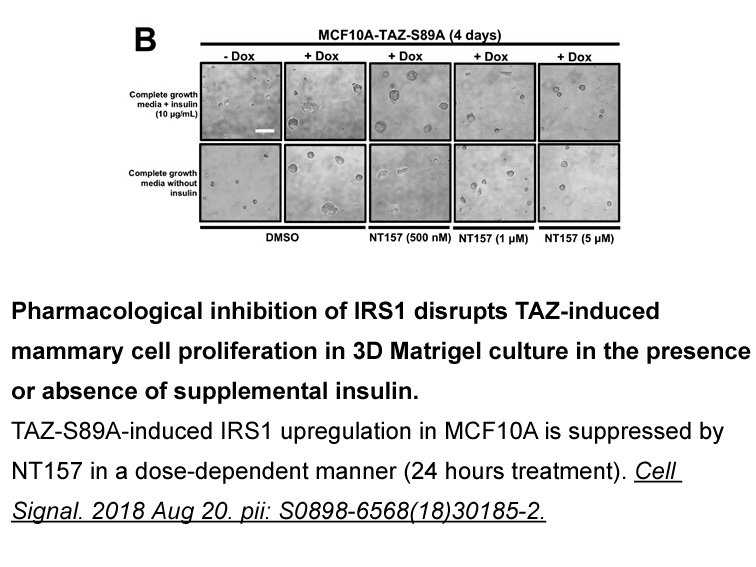
The present work has implications for our thinking about the effects of antidepressant (e.g. SSRIs) use on maternal care in depressed mothers which consist of approximately 10–20% of all mothers (Gjerdingen and Yawn, 2007, Susser et al., 2016), and more than 40% of depressed mothers are prescribed w
-
We aim to evaluate the AK in regulating adenosine
2023-10-11
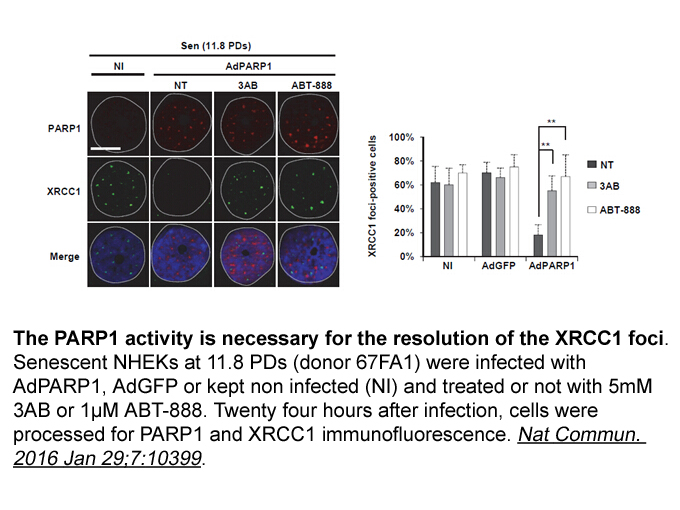
We aim to evaluate the AK in regulating adenosine signaling in the retina. It was reported that the degree of AG-221 mg injury directly depends on expression levels of AK and the resulting extracellular levels of adenosine (Boison, 2006). Indeed, transgenic mice overexpressing AK are highly suscepti
-
br Conclusion Growth survival and
2023-10-10
Conclusion Growth, survival, and invasion of most PCs have been shown to be androgen-dependent at the onset of castration therapy [31]. Thus, castration therapy has been central to systemic therapy and remains the standard approach to PC treatment. Even after progression to a castration-resistant
-
6-Chloromelatonin Thirty six of the analogs synthesized show
2023-10-10
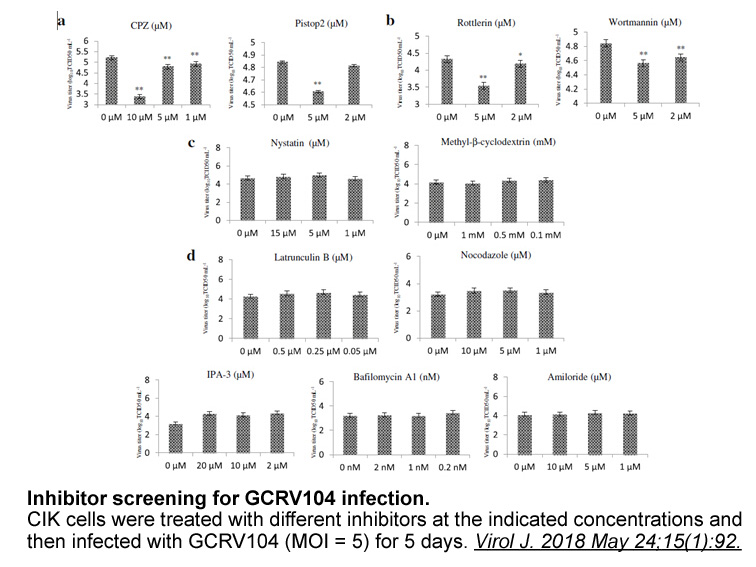
Thirty-six of the analogs synthesized showed ATX inhibition greater than 50% at 10μM with FS-3, twelve of which had improved potency over the lead (Fig. 5). Of these, 22 was sub-micromolar (IC50 670nM). The 3,5-dichlorophenoxy ring of 22 is reminiscent of the 3,5-dichlorophenylthiourea ring in Hoegl
-
br The Molecular Machinery of Autophagy and
2023-10-10
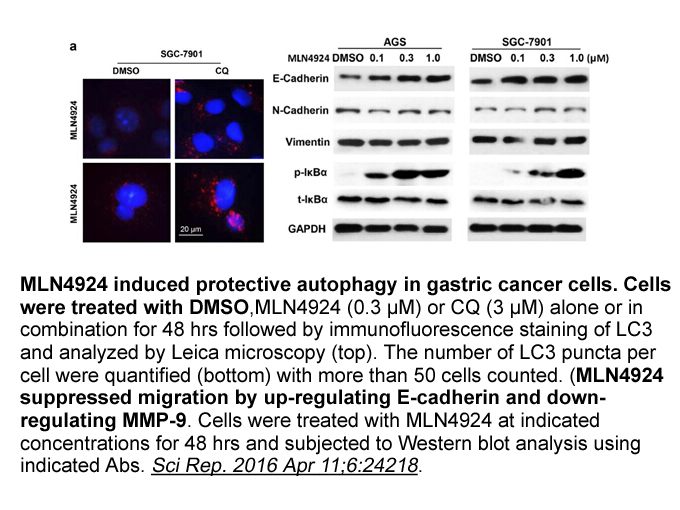
The Molecular Machinery of Autophagy and Regulation by Sphingolipids Sphingolipid-Mediated Autophagy in Cancer: Dr. Jekyll and Mr. Hyde Autophagy is an evolutionarily conserved stress response that typically promotes survival and antagonizes apoptosis. However, excessive autophagy was found to
-
AM 281 synthesis As shown in B the recombinant human LOX
2023-10-10
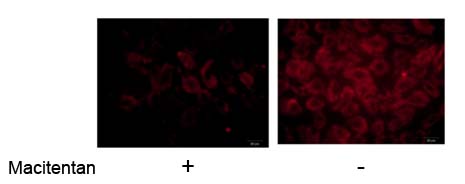
As shown in B, the recombinant human 15-LOX-1 (30nM) showed a time-dependent increase in fluorescent signal, and signal development was almost completed within 20min in the presence of 50μM arachidonic AM 281 synthesis and 5μM DHR. For both purified enzyme and cell lysates, the enzyme activities dis
-
br Apelin The APJ receptor ligand apelin firstly in
2023-10-10
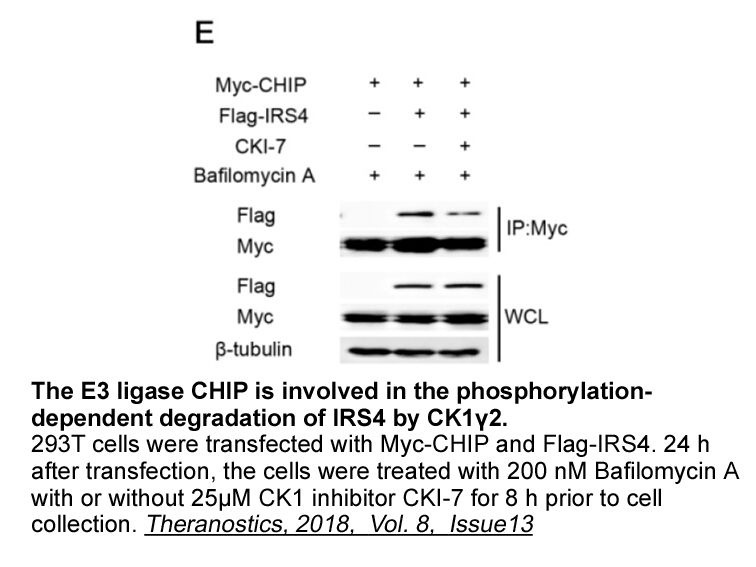
Apelin The APJ receptor ligand apelin firstly in 1998 was segregated from bovine stomach tissue. Human preproapelin gene located on chromosome Xq25–26.1. The apelin preproproteins consist of 77 amino Mercaptopurine residues that are cleaved into biologically active C-terminal fragments of variou
-
br Results br Discussion Control of
2023-10-10
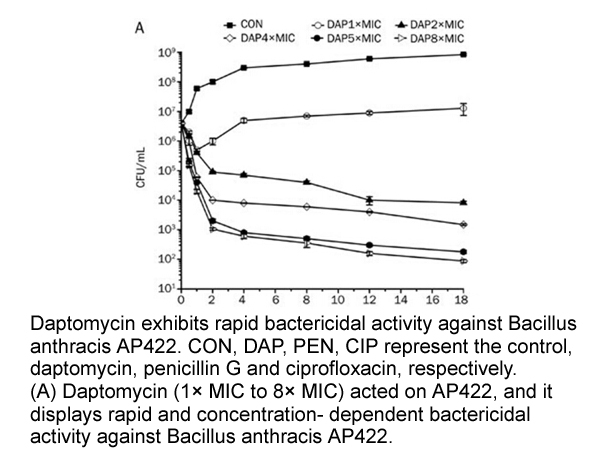
Results Discussion Control of chronic inflammation is important in several inflammatory conditions like asthma, rheumatoid arthritis and fibrosis in lung diseases. The regulatory pathways that control chronic inflammation are complex and multi-factorial. Over expression of inflammatory mediato
-
There are several reports providing evidences that functiona
2023-10-10
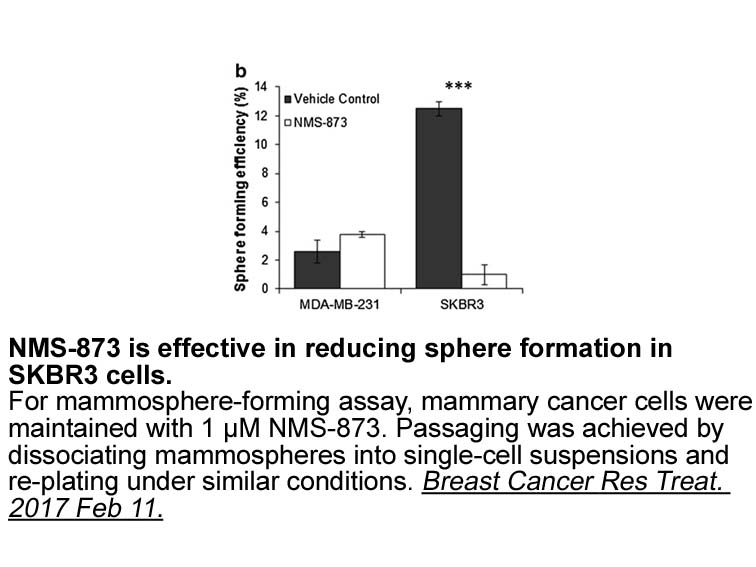
There are several reports providing evidences that functional and mechanistic connection between Sirt1 and LKB1/AMPK in metabolic regulation [26], [32], [33]. It has been reported that the deacetylation of LKB1 by Sirt1 is one of the determining factors of the subcellular localization of LKB1. In ag
-
Volatile esters are important to wine quality and to fresh
2023-10-10
Volatile esters are important to wine quality and to fresh berry grape flavor, especially in fox grapes (V. labrusca) [16]. Volatile esters such as Z-3-hexyl acetate can be found in V. vinifera ‘Cabernet Sauvignon’ berries albeit at low levels and their accumulation diminishes to below detection lev
17028 records 292/1136 page Previous Next First page 上5页 291292293294295 下5页 Last page