Archives
- 2026-06
- 2026-05
- 2026-04
- 2026-03
- 2026-02
- 2026-01
- 2025-12
- 2025-11
- 2025-10
- 2025-09
- 2025-03
- 2025-02
- 2025-01
- 2024-12
- 2024-11
- 2024-10
- 2024-09
- 2024-08
- 2024-07
- 2024-06
- 2024-05
- 2024-04
- 2024-03
- 2024-02
- 2024-01
- 2023-12
- 2023-11
- 2023-10
- 2023-09
- 2023-08
- 2023-07
- 2023-06
- 2023-05
- 2023-04
- 2023-03
- 2023-02
- 2023-01
- 2022-12
- 2022-11
- 2022-10
- 2022-09
- 2022-08
- 2022-07
- 2022-06
- 2022-05
- 2022-04
- 2022-03
- 2022-02
- 2022-01
- 2021-12
- 2021-11
- 2021-10
- 2021-09
- 2021-08
- 2021-07
- 2021-06
- 2021-05
- 2021-04
- 2021-03
- 2021-02
- 2021-01
- 2020-12
- 2020-11
- 2020-10
- 2020-09
- 2020-08
- 2020-07
- 2020-06
- 2020-05
- 2020-04
- 2020-03
- 2020-02
- 2020-01
- 2019-12
- 2019-11
- 2019-10
- 2019-09
- 2019-08
- 2019-07
- 2019-06
- 2019-05
- 2019-04
- 2018-11
- 2018-10
- 2018-07
-
The activity of an enzyme
2023-09-19

The activity of an enzyme may be regulated allosterically as well as transcriptionally. We have consistently studied REMS deprivation (REMSD) associated NA mediated allosteric regulation of Na-K ATPase activity in neurons and glia in vivo and in vitro (Amar and Mallick, 2015; Amar et al., 2016; Bask
-
br Animals Female Sprague Dawley SD rats aged months with
2023-09-19
Animals Female Sprague Dawley (SD) rats, aged 3 months with body weight between 180-210 g were housed in cages and acclimatized to standardized lab conditions (temperature 23 ± 2°C, humidity 50 ± 5% and 12 h light-dark cycles). The rats were fed with standard rodent food pellet (Harlan Diet, Ross
-
The most likely explanation for the species differences in a
2023-09-19
The most likely explanation for the species differences in aromatase distribution and the unique Cathepsin S inhibitor distribution in humans is the unique location, size and highly elaborate organization of the human aromatase gene (e.g. Bulun et al., 2003). The human Cyp19 is a large gene located
-
Since obesity appears to impact leptin and
2023-09-19
Since obesity appears to impact leptin and adiponectin levels in opposite manners, several studies have suggested that the serum adiponectin/leptin ratio may be a key parameter in indicating the relative risk of postmenopausal breast cancer (Ollberding et al, 2013, Cleary et al, 2009). Therapeutic s
-
Another possible explanation of the increased BOP levels mig
2023-09-19
Another possible explanation of the increased BOP levels might be excess cement. In the present study, cement-retained fixed restorations were used. Cementation of the implant-supported restorations may cause the insufficient removal of excess cement from the peri-implant sulcus. Also, the placement
-
br Apelin Discovered in apelin
2023-09-19
Apelin Discovered in 1998, apelin was initially identified as the sole endogenous ligand for the APJ receptor (Tatemoto et al., 1998). Apelin-77 (pre-pro-apelin) is the precursor for various pharmacologically active apelin isoforms (e.g. apelin-12, -13, -17 and 36), and it shares 75–95% sequence
-
In addition understanding the relationship between human met
2023-09-19
In addition, understanding the relationship between human metabolic processes and dietary antioxidant intake would provide opportunities for altering the diet to improve health (Prior, 2015). Prior et al. (2007) emphasized that excess reactive oxygen species, which occurred during the metabolism of
-
An in vitro assay in
2023-09-18
An in vitro assay in which endothelial cells form 3D tube-like structures was used to investigate effects of dNK on vessel stability. The results indicate that dNK cells from women with high spiral artery resistance index had reduced ability to activate endothelial cells, since endothelial cells pre
-
Since ARBs strongly reduce inflammation
2023-09-18
Since ARBs strongly reduce inflammation, it was hypothesized that the protective effects on cognition were the result of reduction of inflammation and amelioration of neurogenic decrease. However, ARB treatment did not normalize increased inflammation and neurogenic loss. For this reason, the protec
-
Introduction Cardiovascular disease is the principal
2023-09-18
Introduction Cardiovascular disease is the principal cause of morbidity and mortality in patients with encorafenib mg (1). Comprehensive management of these patients includes not only adequate glycemic control but also attention to additional recognized risk factors. Hypertension is a cardiovascul
-
Recently different kinds of A aggregation
2023-09-18
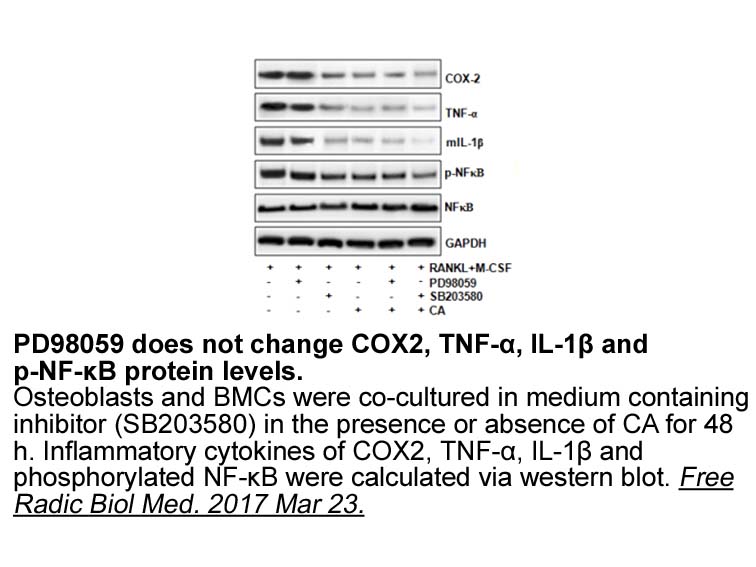
Recently, different kinds of Aβ aggregation inhibitors have been reported, including small molecules [8], peptides [9], and nanoparticles (NPs) [10]. The working mechanisms of the inhibitors are mostly to bind or adsorb Aβ molecules and to affect the conformational changes followed by blocking the a
-
br Depletion of serum amino acids Currently the
2023-09-18
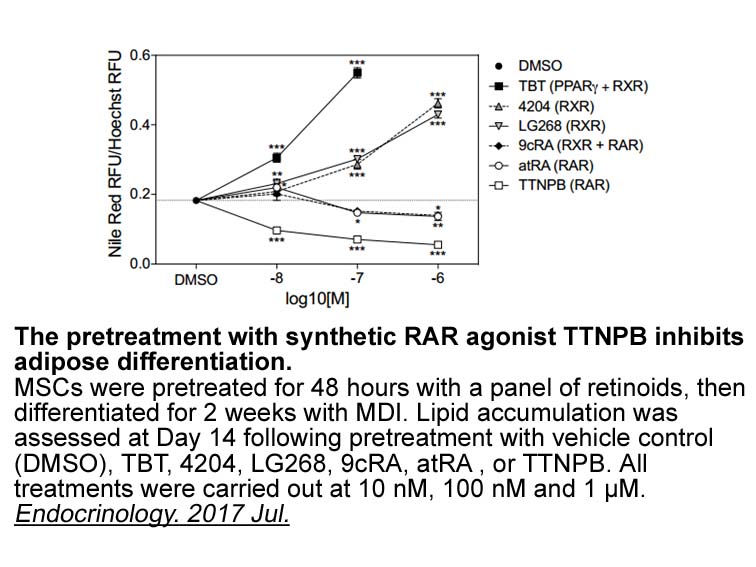
Depletion of serum amino acids Currently, the only anticancer agents that directly target amino mao inhibitors metabolism are bacterial l-asparaginases (from Escherichia coli and Erwinia chrysanthemi), which are FDA-approved for treatment of pediatric and adult ALL. A potential complication of u
-
jak inhibitors A characteristic of iron present in brain flu
2023-09-18
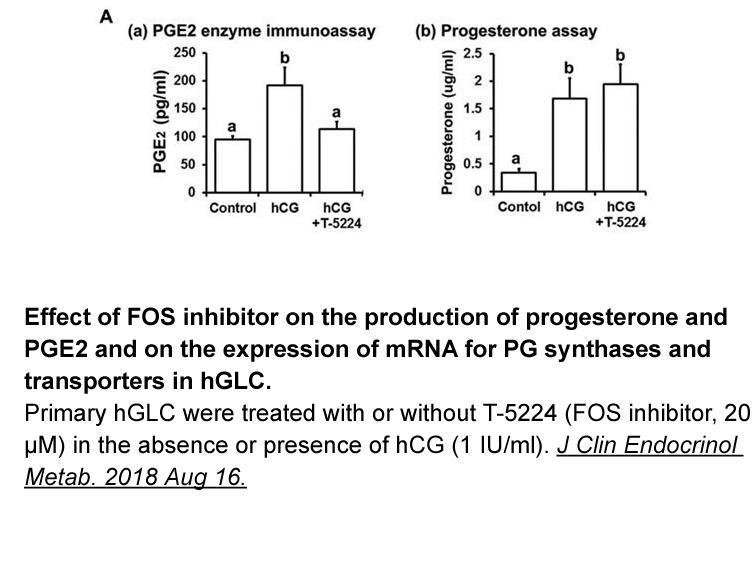
A characteristic of iron present in brain fluids is considerable differences between measured values of ferritin and transferrin and the total iron content value (Table 1). Variation of the latter is compatible with differences in individual metabolisms. However differences between total iron conten
-
The adoptive transfer experiments additionally demonstrated
2023-09-18
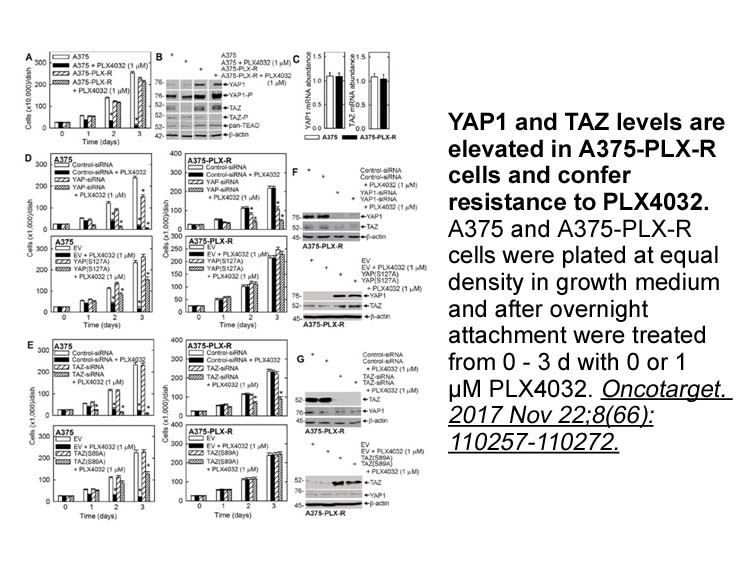
The adoptive transfer experiments additionally demonstrated the role of cholinergic regulation in the antibody immune response. Injection of LPI-stimulated B lymphocytes significantly up-regulated both the IgM and IgG responses to cytochrome c in the host. Obviously, this effect was due to activatio
-
In conclusion AXL overexpression preexisted in a
2023-09-18
In conclusion, AXL overexpression preexisted in a subgroup of treatment-naive lung adenocarcinoma specimens harboring an activating EGFR mutation or in those with wild-type EGFR. Anti-AXL therapeutics delivered up front in combination with the EGFR inhibitor might overcome intrinsic or acquired resi
17025 records 305/1135 page Previous Next First page 上5页 301302303304305 下5页 Last page