Archives
- 2026-06
- 2026-05
- 2026-04
- 2026-03
- 2026-02
- 2026-01
- 2025-12
- 2025-11
- 2025-10
- 2025-09
- 2025-03
- 2025-02
- 2025-01
- 2024-12
- 2024-11
- 2024-10
- 2024-09
- 2024-08
- 2024-07
- 2024-06
- 2024-05
- 2024-04
- 2024-03
- 2024-02
- 2024-01
- 2023-12
- 2023-11
- 2023-10
- 2023-09
- 2023-08
- 2023-07
- 2023-06
- 2023-05
- 2023-04
- 2023-03
- 2023-02
- 2023-01
- 2022-12
- 2022-11
- 2022-10
- 2022-09
- 2022-08
- 2022-07
- 2022-06
- 2022-05
- 2022-04
- 2022-03
- 2022-02
- 2022-01
- 2021-12
- 2021-11
- 2021-10
- 2021-09
- 2021-08
- 2021-07
- 2021-06
- 2021-05
- 2021-04
- 2021-03
- 2021-02
- 2021-01
- 2020-12
- 2020-11
- 2020-10
- 2020-09
- 2020-08
- 2020-07
- 2020-06
- 2020-05
- 2020-04
- 2020-03
- 2020-02
- 2020-01
- 2019-12
- 2019-11
- 2019-10
- 2019-09
- 2019-08
- 2019-07
- 2019-06
- 2019-05
- 2019-04
- 2018-11
- 2018-10
- 2018-07
-
dexdomitor sale A group of small molecule with a more
2022-03-02
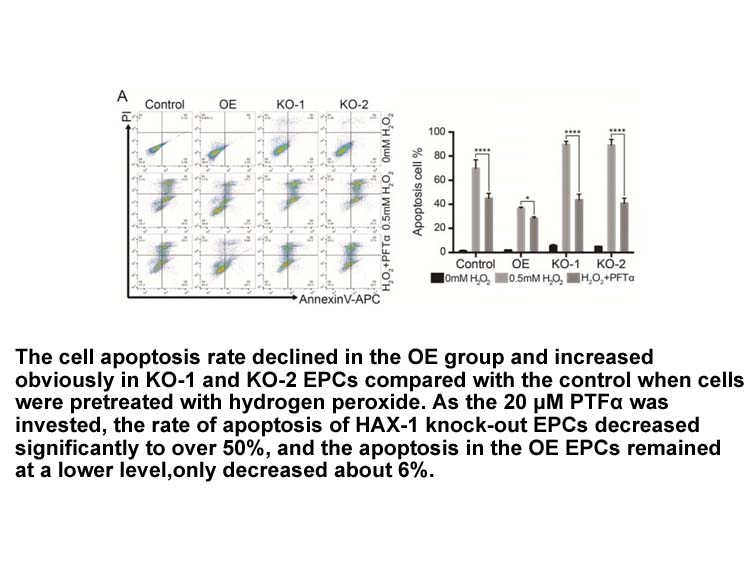
A group of small molecule with a more promising therapeutic mechanism are known as γ-secretase modulators (GSMs), which modulate the cleavage activity of γ-secretase (and likely a host of other substrates) and specifically reduce the levels of the fibrillogenic Aβ42 peptide without altering the ε-si
-
Although ALPS type is very rare
2022-03-02
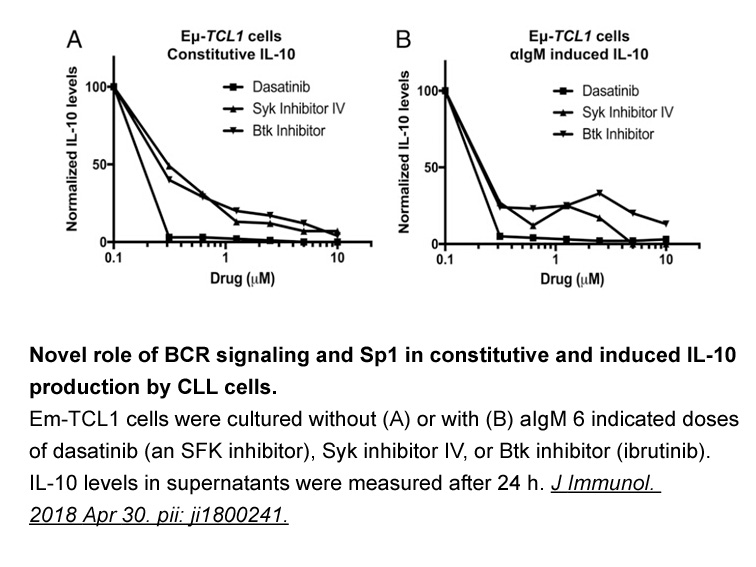
Although ALPS type is very rare with few published cases, we herein report the clinical and immunogenetic characteristics of two additional unrelated patients from highly inbred North African population. Both patients present two rare splicing defects mechanisms in FAS gene inducing the skipping of
-
The product chain length determination mechanism of prenyltr
2022-03-02
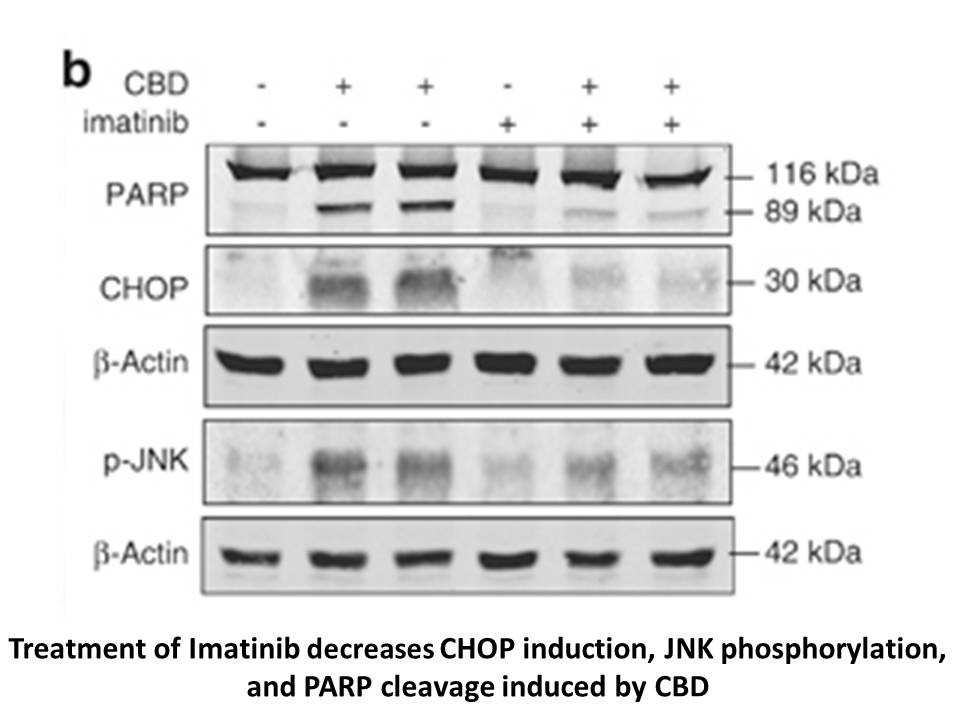
The product chain-length determination mechanism of -prenyltransferases has not yet been elucidated, although mutational analyses of highly conserved residues and of characteristic amino Apramycin Sulfate residues in each subfamily of -prenyltransferases have enabled the understanding of the basic
-
Mitochondrial is the main source for ROS
2022-03-02
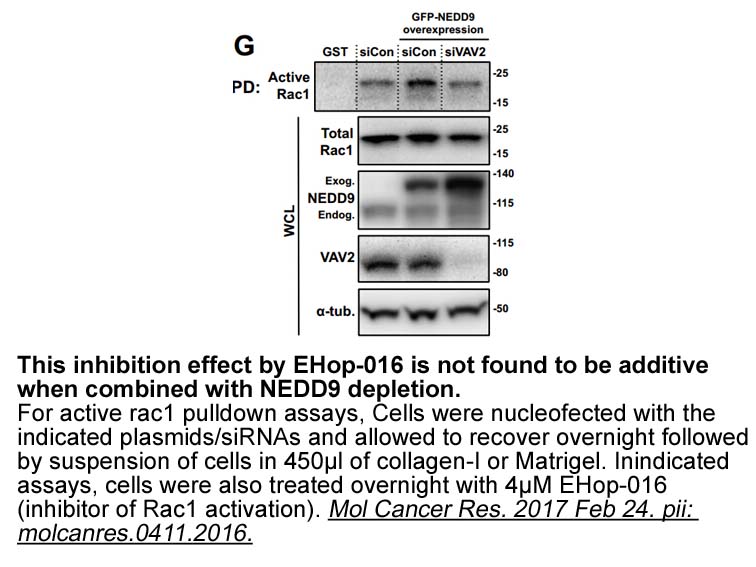
Mitochondrial is the main source for ROS and ATP generation, and the loss of mitochondrial membrane potential is involved in the alteration of mitochondrial metabolism and mitochondrial failure-induced cell death [33,34]. In this study, we showed that upregulated ZNF32 sustained mitochondrial membra
-
br What are the local exocytotic protein targets of PKC
2022-03-02
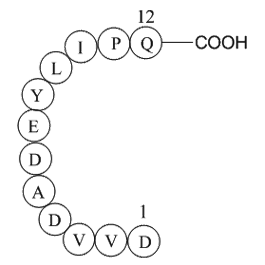
What are the local exocytotic protein targets of PKC? A direct method for PKC to potentiate insulin release would be to phosphorylate and activate components of the exocytotic machinery. Bulk measurements show that potentiation occurs by enhancement of the calcium sensitivity of exocytosis [56],
-
Development of few more dihydroxy pyrimidine and N
2022-03-02
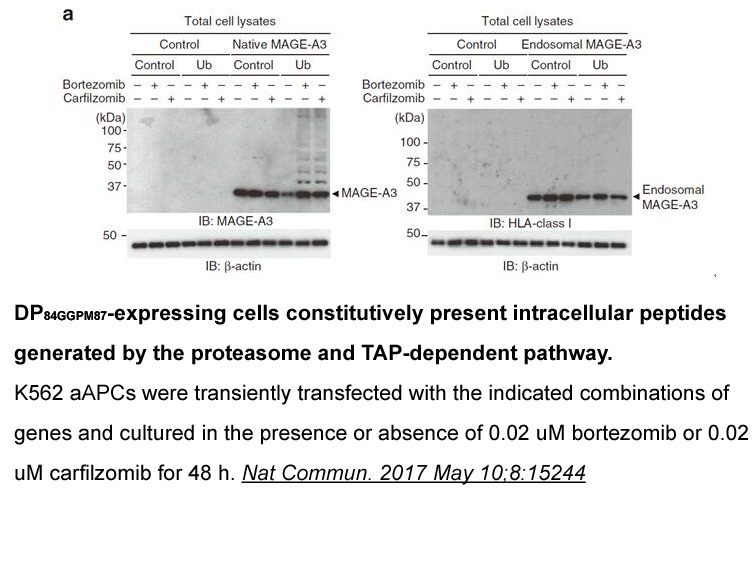
Development of few more dihydroxy-pyrimidine and N-methylpyrimidone analogues as HIV-integrase inhibitors was attempted involving substitution of variety of five- and six-membered rings via the introduction of a simple methyl substituent in the α-position of the C-2 side chains in order to improve p
-
In various models histamine has
2022-03-02
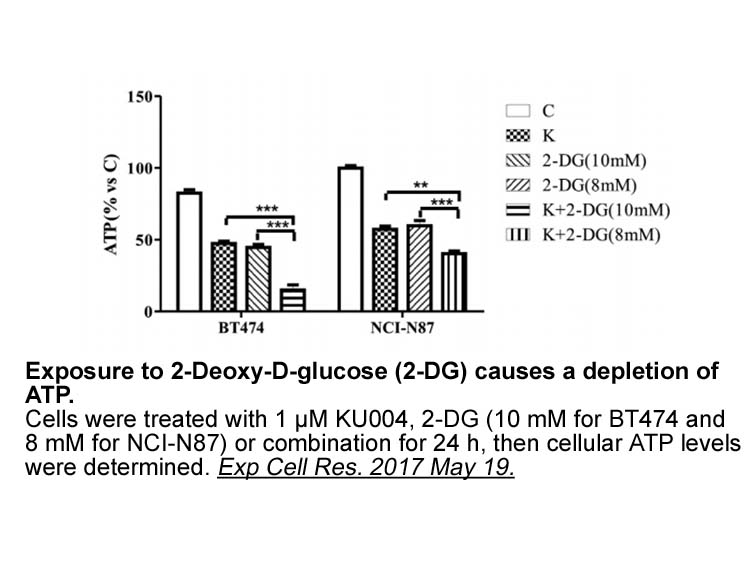
In various models, histamine has been shown to induce chemotaxis. This was first appreciated over 40 years’ ago in studies with eosinophils (Clark et al., 1977). At that time, only histamine H1 and histamine H2 receptors were recognized and studies with ligands to these receptors indicated that neit
-
br Conclusion Infections caused by the P aeruginosa could
2022-03-02
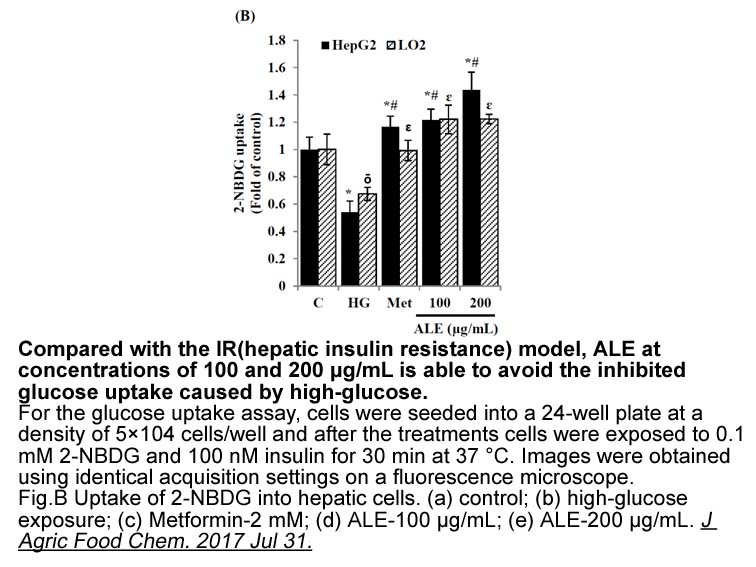
Conclusion Infections caused by the P. aeruginosa could not be cured by current antibiotics, making multiple drug resistance of P. aeruginosa an increasing threat for human lives. Looking for a new therapeutic mechanism for infections caused by the P. aeruginosa has become a central issue. There
-
Stimulation of GC A by CNP was further
2022-03-01
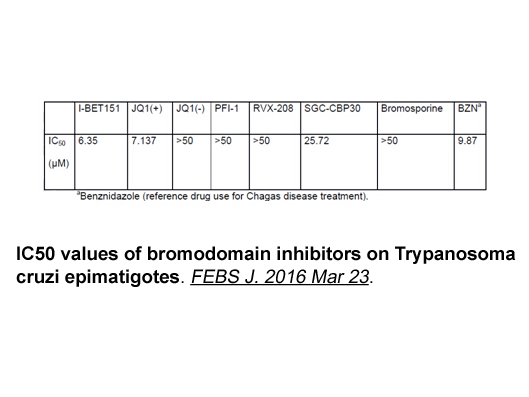
Stimulation of GC-A by CNP was further corroborated by using a cGMP enzyme immunoassay. We could show that CNP significantly stimulated cGMP synthesis in the GC-A reporter cell line. CNP stimulation resulted in similar maximal cGMP levels compared to stimulation by ANP and BNP. Therefore, by lumines
-
PDEs block GUCY C associated second messenger signaling by
2022-03-01
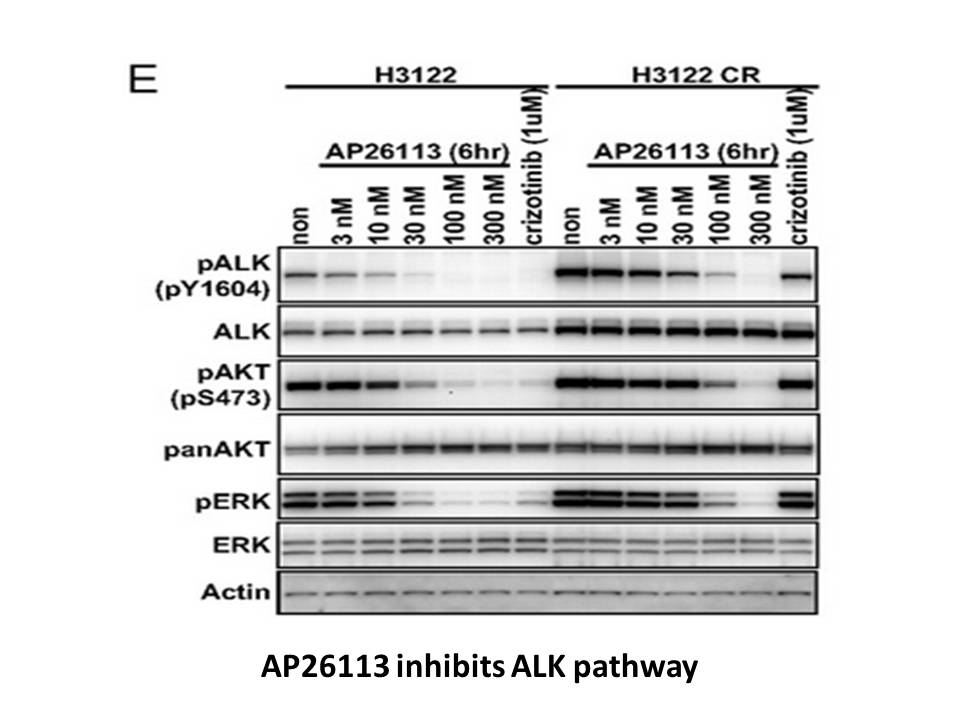
PDEs block GUCY2C-associated second messenger signaling by degrading cyclic nucleotides, whereas inhibition of PDEs activity prevents cyclic nucleotide degradation (Fig. 1). Several researchers have described the pathophysiological roles of various PDEs in numerous tumor cell types, including CRC Ad
-
Also the decrease in adipocyte
2022-03-01
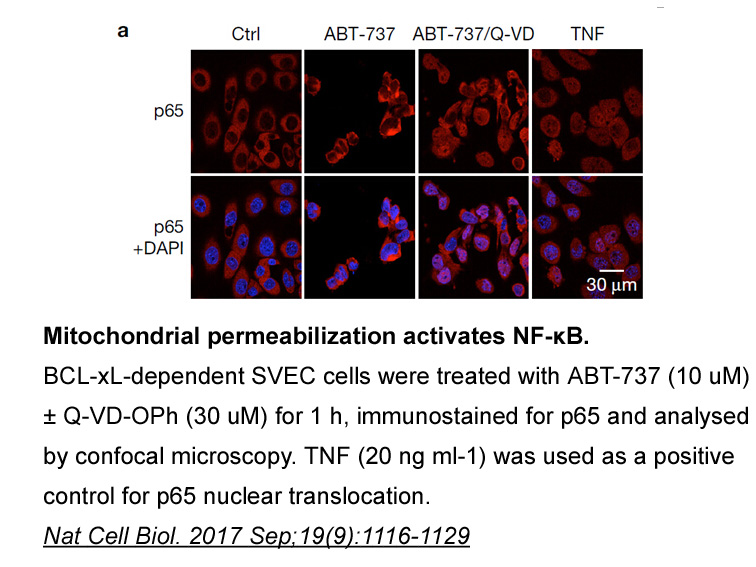
Also, the decrease in adipocyte cAMP levels seen after an acute glucose challenge in wild-type mice was strongly reduced in mice lacking GPR81, indicating that the activation of PDE3B alone was not sufficient to mediate the effect of insulin on cAMP levels and lipolytic activity. The fact that insul
-
We have previously established the pharmacokinetic profile a
2022-03-01
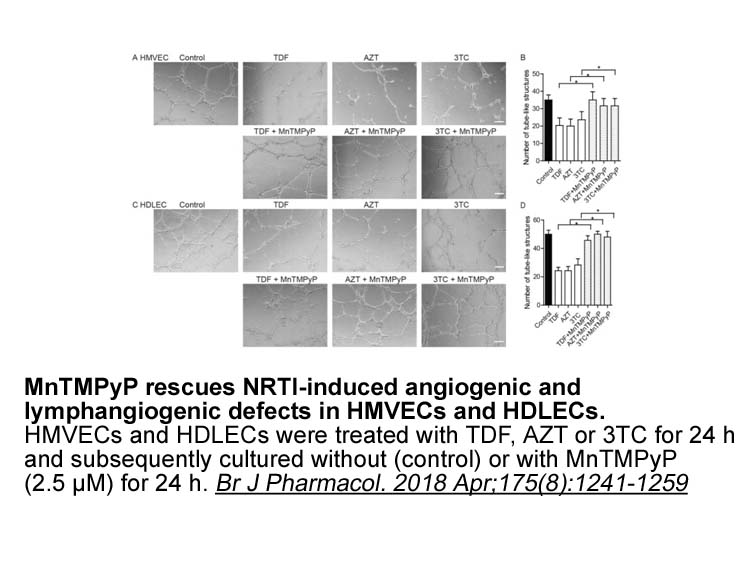
We have previously established the pharmacokinetic profile and effective dose of MNF in the rat [43] and demonstrated the effectiveness of MNF as an anticancer drug in closantel and xenograft models [44]. Moreover, MNF was found to effectively block GPR55 signaling in tumor cells [21]. The compound
-
Evaluating the plausibility of this
2022-03-01
Evaluating the plausibility of this selective scenario is challenging because of the uncertainties concerning the biological role of calpain-10 and the significance of its variants with regard to gene function and disease susceptibility. However, from a strictly evolutionary standpoint, our findings
-
GPR detection by reverse transcription polymerase chain reac
2022-03-01
GPR35 detection by reverse transcription-polymerase chain reaction (RT-PCR). Total RNA of cultured DRG neurons was extracted using the RNAqueous kit (Ambion). Complementary DNA (cDNA) was synthesized from 1μg of isolated total RNA with SuperScript III reverse transcriptase (Invitrogen). An aliquot o
-
Acknowledgments br Introduction Type diabetes mellitus T DM
2022-02-28

Acknowledgments Introduction Type 2 diabetes mellitus (T2DM) is caused by relative insulin deficiency or insulin resistance in peripheral tissues. The clinical management of T2DM is achieved by controlling blood glucose levels. Current therapies available for treatment of T2DM include biguanides
17021 records 534/1135 page Previous Next First page 上5页 531532533534535 下5页 Last page