Archives
- 2026-06
- 2026-05
- 2026-04
- 2026-03
- 2026-02
- 2026-01
- 2025-12
- 2025-11
- 2025-10
- 2025-09
- 2025-03
- 2025-02
- 2025-01
- 2024-12
- 2024-11
- 2024-10
- 2024-09
- 2024-08
- 2024-07
- 2024-06
- 2024-05
- 2024-04
- 2024-03
- 2024-02
- 2024-01
- 2023-12
- 2023-11
- 2023-10
- 2023-09
- 2023-08
- 2023-07
- 2023-06
- 2023-05
- 2023-04
- 2023-03
- 2023-02
- 2023-01
- 2022-12
- 2022-11
- 2022-10
- 2022-09
- 2022-08
- 2022-07
- 2022-06
- 2022-05
- 2022-04
- 2022-03
- 2022-02
- 2022-01
- 2021-12
- 2021-11
- 2021-10
- 2021-09
- 2021-08
- 2021-07
- 2021-06
- 2021-05
- 2021-04
- 2021-03
- 2021-02
- 2021-01
- 2020-12
- 2020-11
- 2020-10
- 2020-09
- 2020-08
- 2020-07
- 2020-06
- 2020-05
- 2020-04
- 2020-03
- 2020-02
- 2020-01
- 2019-12
- 2019-11
- 2019-10
- 2019-09
- 2019-08
- 2019-07
- 2019-06
- 2019-05
- 2019-04
- 2018-11
- 2018-10
- 2018-07
-
Both GPR A and GPR are
2022-02-24
Both GPR109A and GPR81 are located on chromosome 12q24 [3] and mediate anti-lipolytic effects through coupling to Gi-type G proteins [17]. It is important to note that with the recent deorphanization of these receptors, there has been a recommendation to the International Union of Basic and Clinical
-
The combination of niacin with
2022-02-24
The combination of niacin with a selective PGD2 receptor antagonist laropiprant, designed to circumvent the flushing side effect of niacin, has been evaluated in the HPS2-THRIVE study and showed no clinically meaningful benefit when administered in patients on top of statin therapy [41]. Our data su
-
Heparin and suramin are highly negatively charged molecules
2022-02-23
Heparin and suramin are highly negatively charged molecules, and they are in this aspect, similar to DNA and likely to compete with DNA by binding to the protein cationic groups [17] (Fig. 1). The inhibitory effect of heparin and suramin on DNA and RNA binding proteins has been described [[18], [19]
-
Structural analysis of the MD open state unveils that the
2022-02-23
Structural analysis of the MD-open state unveils that the transmembrane domain features a symmetric organization of the pore-lining helices M2 similar to the semi-open structure but with a local asymmetry at the constriction point, which is critical for chloride permeation. The atomistic simulations
-
The transport of glutamate by EAAT from the extracellular
2022-02-23
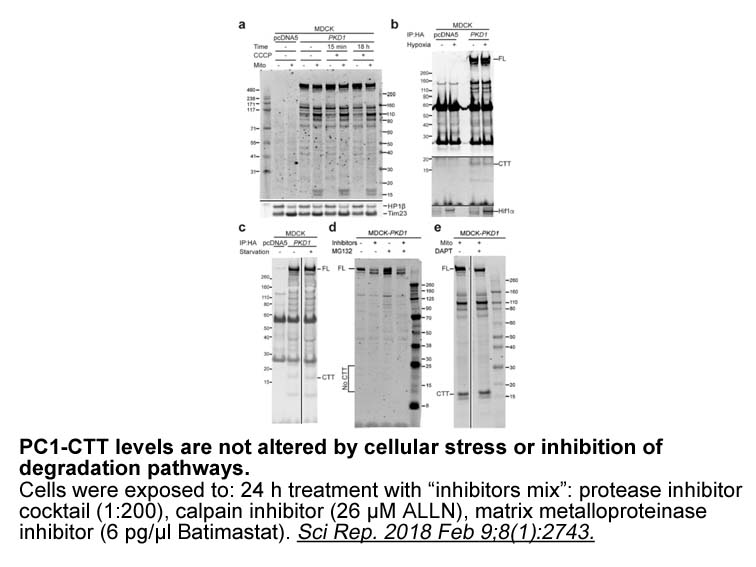
The transport of glutamate by EAAT2 from the extracellular fluid into either astrocytes or endothelial cells is an unfavorable and energy-consuming process. This energy is provided by a coupled co-transport of three sodium ions, one proton, and one glutamate molecule in the counter-transport of one
-
Ghrelin readily crosses the blood brain barrier Banks
2022-02-23

Ghrelin readily crosses the blood Ethyl 3-Aminobenzoate methanesulfonate barrier (Banks et al., 2002, Banks et al., 2008), and recent studies have identified central nervous system sites of action for ghrelin-mediated appetite and hyperphagia (Alvarez-Crespo et al., 2012, King et al., 2011, Schele
-
In early a collaborative effort between the group that
2022-02-23
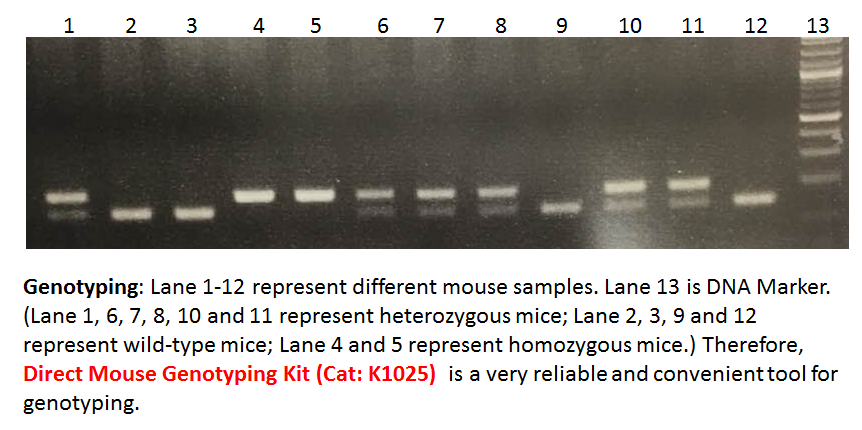
In early 2017, a collaborative effort between the group that pioneered the above described evidence of platinum-induced PUFA chemotherapy resistance and a group that has contributed to much of the known molecular pharmacology of FFA4, revealed that the molecular target of 16:4(n-3), which affords ch
-
To investigate an involvement of GPR and GPR
2022-02-23
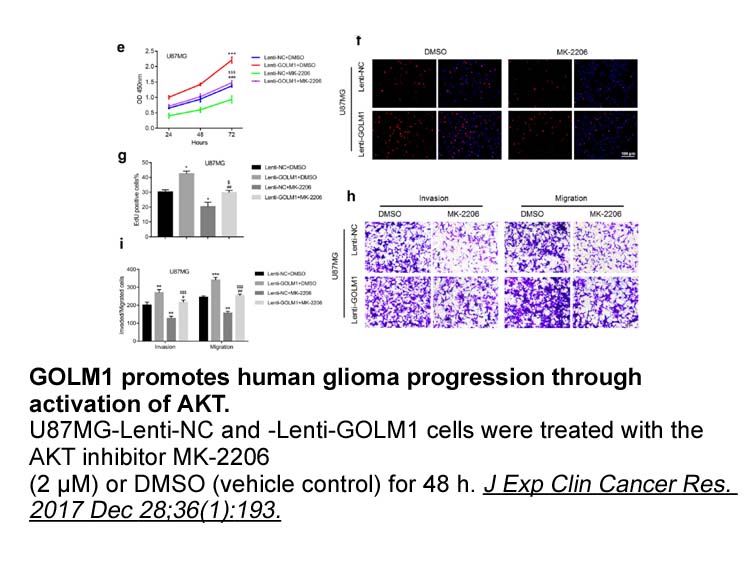
To investigate an involvement of GPR120 and GPR40 in the enhancement of cell motile activity of MG-63 cells, highly migratory (MG63-R7) L-NMMA citrate sale were established from MG-63 cells (Fig. 2A). The expression level of GPR120 gene was significantly higher in MG63-R7 cells than in MG-63 cells,
-
Although exhibited high inhibitory activity was found to be
2022-02-23
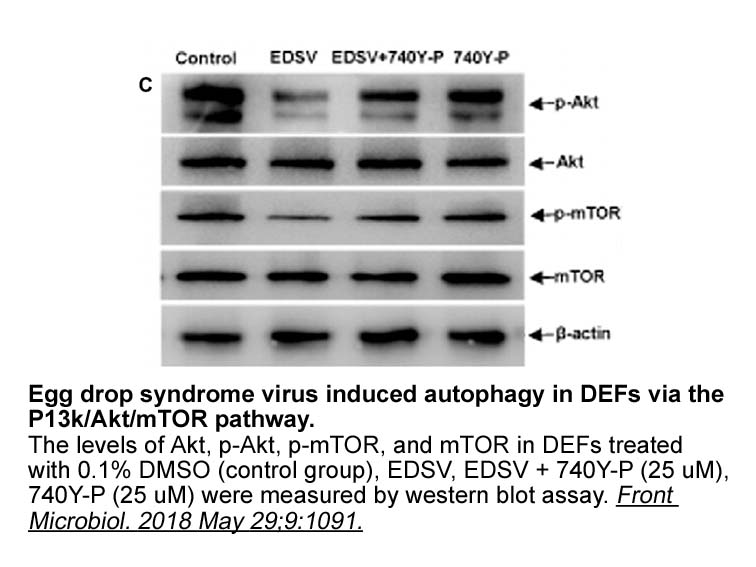
Although exhibited high inhibitory activity, was found to be metabolically unstable due to the hydrolysis of the phosphate group (data not shown), which prompted us to modify the phosphate moiety of . Comparison of the activities between three compounds bearing no or different spacer groups (, , and
-
The above mentioned studies are especially important
2022-02-23
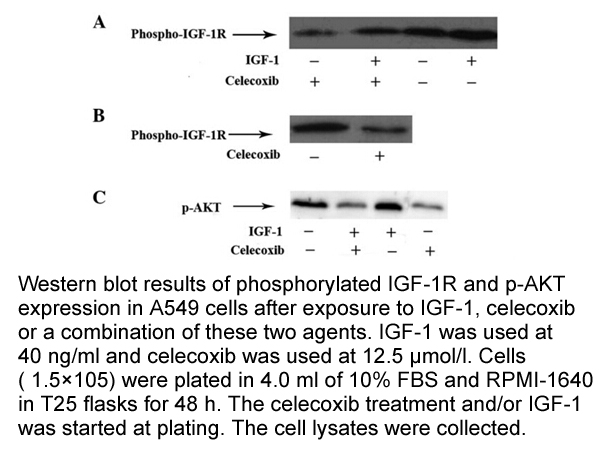
The above-mentioned studies are especially important since the structural alterations of the peritoneum during peritoneal dialysis are very similar to vascular and tissue alteration seen in diabetes. The tissue alterations during long-term peritoneal dialysis include a thickening and replication of
-
The progression of HIV varies
2022-02-23
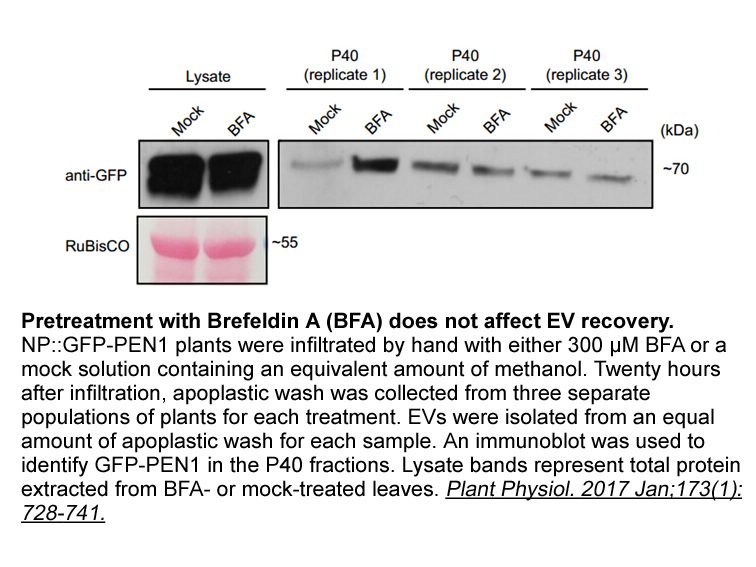
The progression of HIV varies from patient to patient, with some who progress slowly and others who progress much faster. However, CD4+ and CD8+ cell counts are intimately linked in those that are able to suppress the HIV infection (Walker et al., 1986; Saez-Aninon et al., 2007). Depletion of these
-
The most abundant form of Hat p in the
2022-02-23
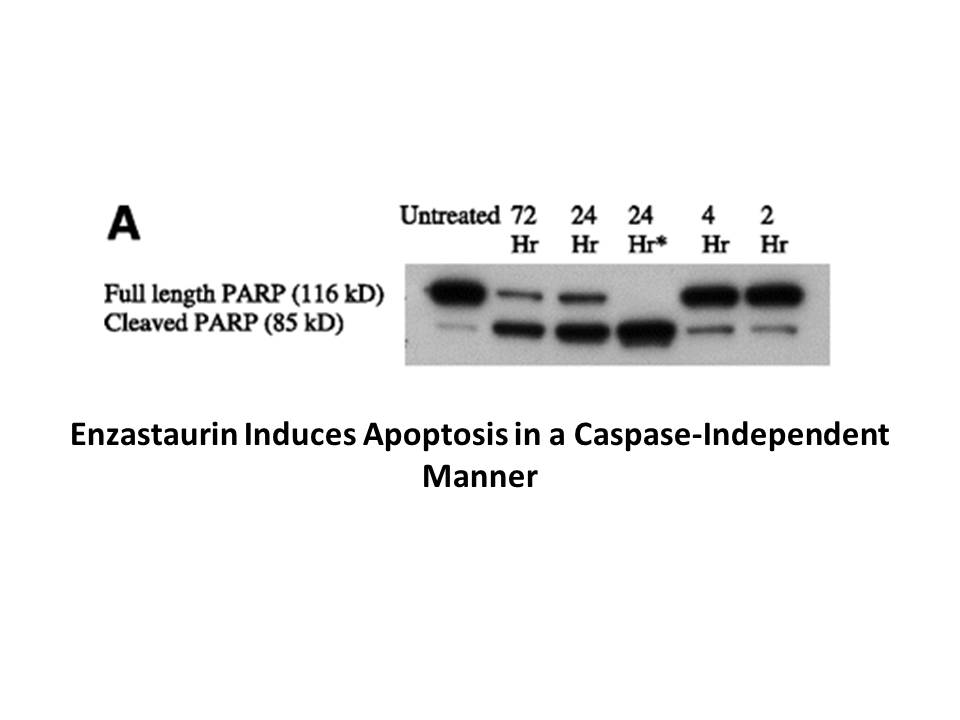
The most abundant form of Hat1p in the nucleus is apt to be in the form of the NuB4 complex [96]. In the context of Oxaliplatin assembly, the function of the NuB4 complex may be similar to that ascribed for the cytoplasmic HAT1 complex. That is, the NuB4 complex may be involved in directing newly s
-
Expression of p NTR has been linked
2022-02-22
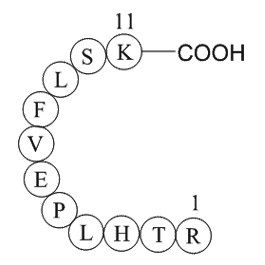
Expression of p75NTR has been linked to several aspects of aggressive glioma growth, including migration and invasion, by various mechanisms in a large number of elegant studies [6], [7], [26], [27]. Our study adds to this literature by demonstrating specific roles in hypoxic tumor cells and regulat
-
Our investigation also showed NAC increased the level of
2022-02-22
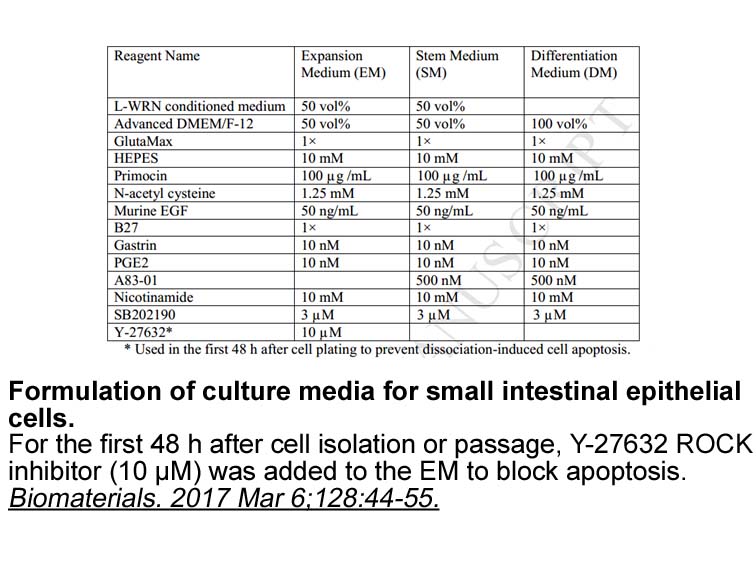
Our investigation also showed NAC increased the level of DAF and might protect HUVECs from complement activation. NAC, an antioxidant/mucous modifier, has displayed benefits in chronic obstructive pulmonary disease. Martinez de Lizarrondo et al [38] provided evidence that the molecular target underl
-
There are important questions that remain to be
2022-02-22
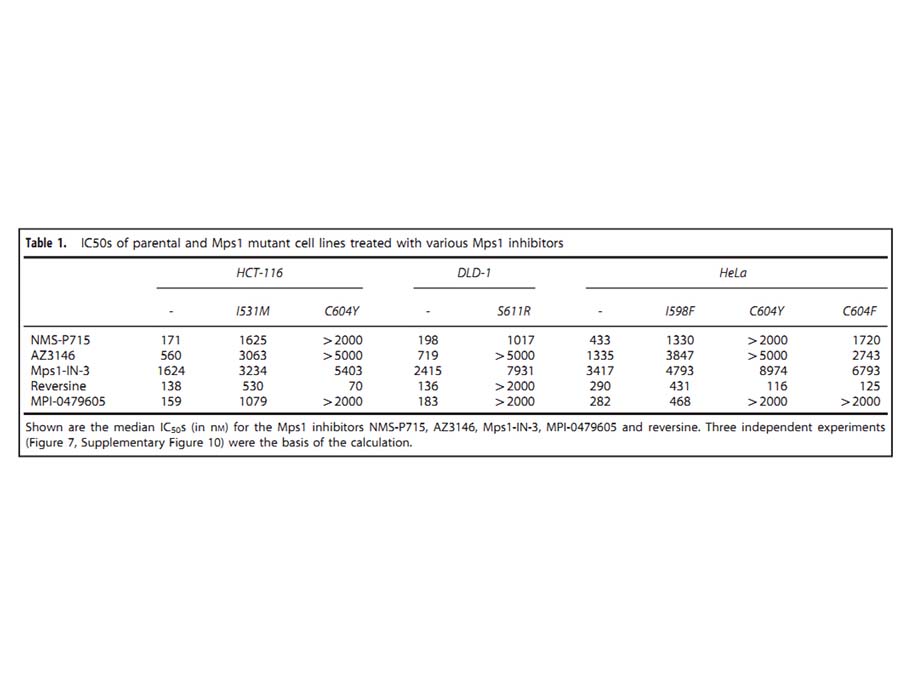
There are important questions that remain to be answered. How does Rap2a protein affect NF-κB activation? Why do Rap2a silencing and overexpression results to the identical hampered NF-κB activation phenotype? Overexpression experiments have demonstrated that atypical κB-Ras GTPases could inhibit NF
17021 records 538/1135 page Previous Next First page 上5页 536537538539540 下5页 Last page