Archives
- 2026-06
- 2026-05
- 2026-04
- 2026-03
- 2026-02
- 2026-01
- 2025-12
- 2025-11
- 2025-10
- 2025-09
- 2025-03
- 2025-02
- 2025-01
- 2024-12
- 2024-11
- 2024-10
- 2024-09
- 2024-08
- 2024-07
- 2024-06
- 2024-05
- 2024-04
- 2024-03
- 2024-02
- 2024-01
- 2023-12
- 2023-11
- 2023-10
- 2023-09
- 2023-08
- 2023-07
- 2023-06
- 2023-05
- 2023-04
- 2023-03
- 2023-02
- 2023-01
- 2022-12
- 2022-11
- 2022-10
- 2022-09
- 2022-08
- 2022-07
- 2022-06
- 2022-05
- 2022-04
- 2022-03
- 2022-02
- 2022-01
- 2021-12
- 2021-11
- 2021-10
- 2021-09
- 2021-08
- 2021-07
- 2021-06
- 2021-05
- 2021-04
- 2021-03
- 2021-02
- 2021-01
- 2020-12
- 2020-11
- 2020-10
- 2020-09
- 2020-08
- 2020-07
- 2020-06
- 2020-05
- 2020-04
- 2020-03
- 2020-02
- 2020-01
- 2019-12
- 2019-11
- 2019-10
- 2019-09
- 2019-08
- 2019-07
- 2019-06
- 2019-05
- 2019-04
- 2018-11
- 2018-10
- 2018-07
-
The multiple sequence analysis showed that the putative amin
2022-02-16
The multiple sequence analysis showed that the putative amino nrf2 inhibitor sequence of HbFDP had 80–99% identity to the FDPs from H. brasiliensis, Lupinus and T. wilfordii, Malus×domestica, Centella asiatica, M. sativa, M.recutita, accession H. annuus, and A. thaliana. The present results are in
-
Remarkably most of these molecules are also quite effective
2022-02-16
Remarkably, most of these molecules are also quite effective in interfering with the proliferation of the drug-resistant cancer cell lines, with IC50 values ranging from 0.59 to 2.93 μM against MCF-7/ADR cells, and from 0.160 to 1.17 μM against NSCLC-resistant H1975 cells. Among these molecules, com
-
br Acknowledgment S A was supported by V Plan
2022-02-16
Acknowledgment S.A was supported by V Plan Propio US-Acceso USE-14793-G. Introduction The Hippo signaling pathway is an evolutionarily conserved pathway that controls organ size and cell differentiation across diverse organisms through the regulation of cell proliferation and apoptosis (Di Ca
-
br STAR Methods br Acknowledgments The authors would like
2022-02-16
STAR★Methods Acknowledgments The authors would like to acknowledge Genentech DNA Sequencing, Biologics Resource, Oligo, FACS, and Bioinformatics groups for their help with the project. Our thanks to Craig Cumming and Sophia Maund for facilitating our access to large-scale mutation data. We als
-
Roughly million people who are currently infected with HBV
2022-02-16
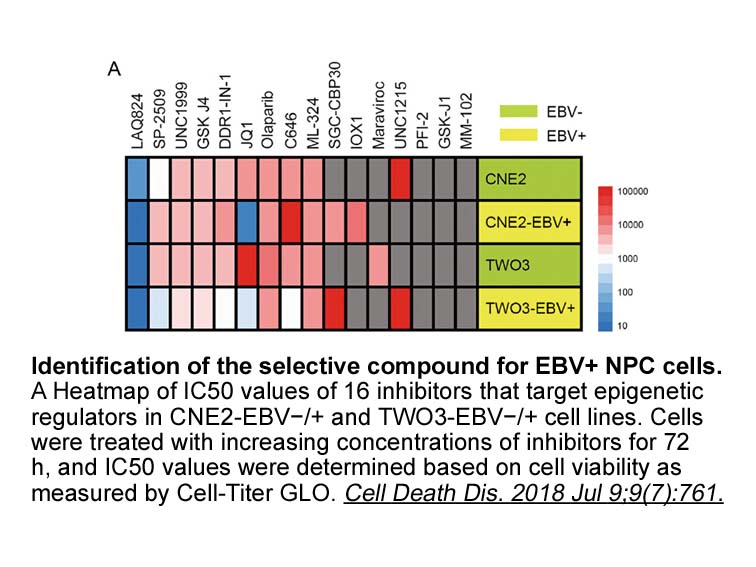
Roughly 15 million people who are currently infected with HBV are co-infected with the hepatitis D virus (HDV) (WHO, 2017b). The superinfection not only leads to more severe liver damage and early onset of cirrhosis, but also to a higher mortality than HBV mono-infection (Rizzetto, 1983; WHO, 2017b)
-
Increasing number of experimental data reveal that both ROS
2022-02-15
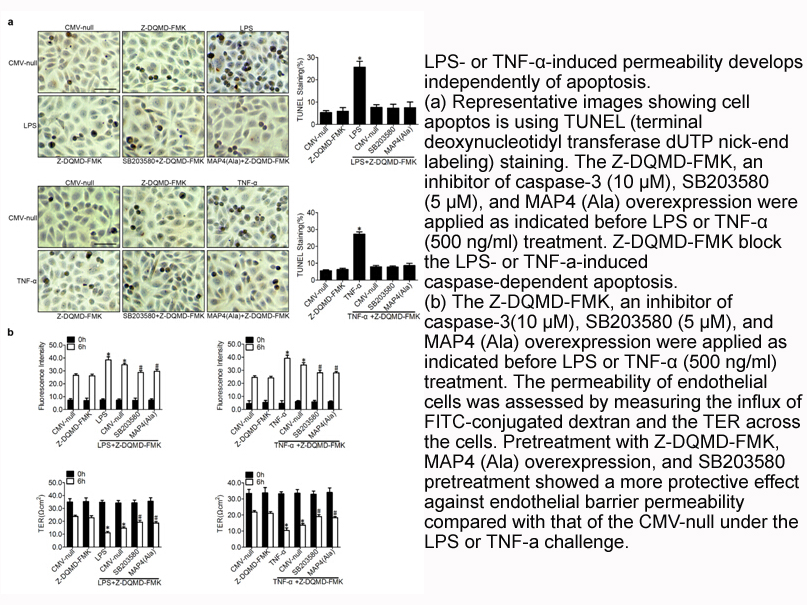
Increasing number of experimental data reveal that both ROS and RNS are multifunctional molecules playing a substantial role in plant physiology and particularly in seed biology (Bailly et al., 2008; Šírová et al., 2011; Yu et al., 2014). Dual function of RNS can be described by the model of “nitros
-
br Concluding remarks Several orphan GPCRs
2022-02-15
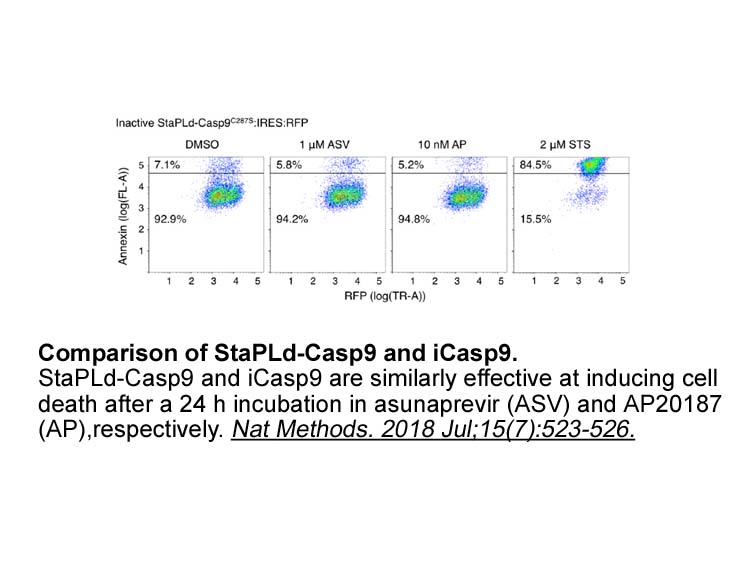
Concluding remarks Several orphan GPCRs have expression profiles that indicate they are worthy of consideration as therapeutic targets. This view can be supported via various transgenic techniques, and it would be interesting to have wide-ranging phenotypic information on GPR35 knockout mice. Bas
-
Recently the novel fatty acid receptor GPR also called
2022-02-15
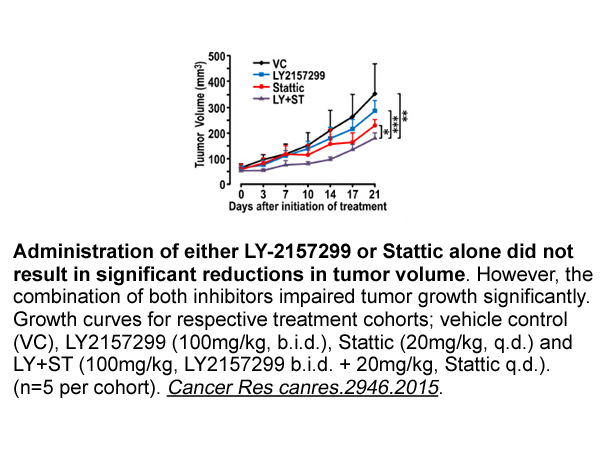
Recently, the novel fatty 1-NM-PP1 receptor, GPR120 (also called FFAR4), has been shown to be implicated in diverse physiological homeostasis, such as insulin sensitization, anti-inflammation and regulation of appetite (Hirasawa et al., 2005, Oh et al., 2010). Notably, it is abundantly expressed in
-
br Specificity of CD T cells and
2022-02-15
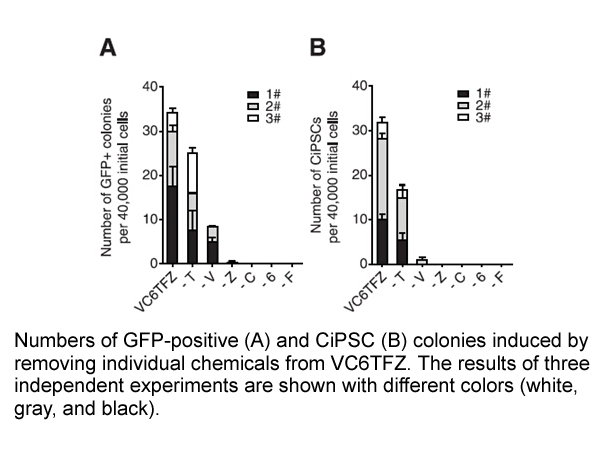
Specificity of CD4 T cells and their role in flavivirus neutralizing antibody responses CD4 T cells recognize peptides that are proteolytically processed from protein antigens and presented by MHC class II molecules on the surface of specialized antigen-presenting cells, such as dendritic cells o
-
Our exploration of Domain focused on the role of the
2022-02-15
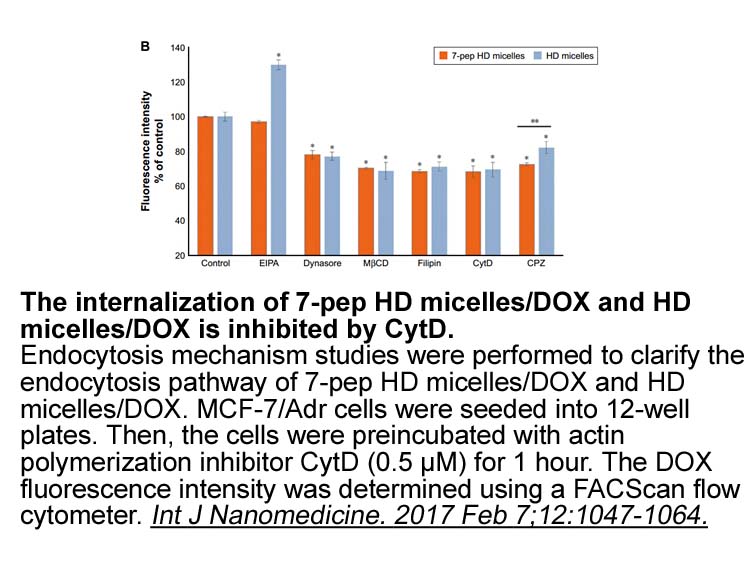
Our exploration of Domain 1 focused on the role of the carbonyl linker in (). We found that replacement of this group by a methylene unit as in or direct attachment of the thiophene ring to the central aromatic core as in did not significantly impact potency. The thiophene ring in could be repla
-
br Materials and methods br Contributors br Acknowledgements
2022-02-15
Materials and methods Contributors Acknowledgements This work was funded by the Ministry of Human Resources and Social Security, Shanxi Province [(2010)255], by a Shanxi Scholarship Council of China, and supported by a grant from the Alzheimer Society UK. The authors declare no conflict of
-
Growth hormone secretagogue receptor GHSR is a member of G
2022-02-15
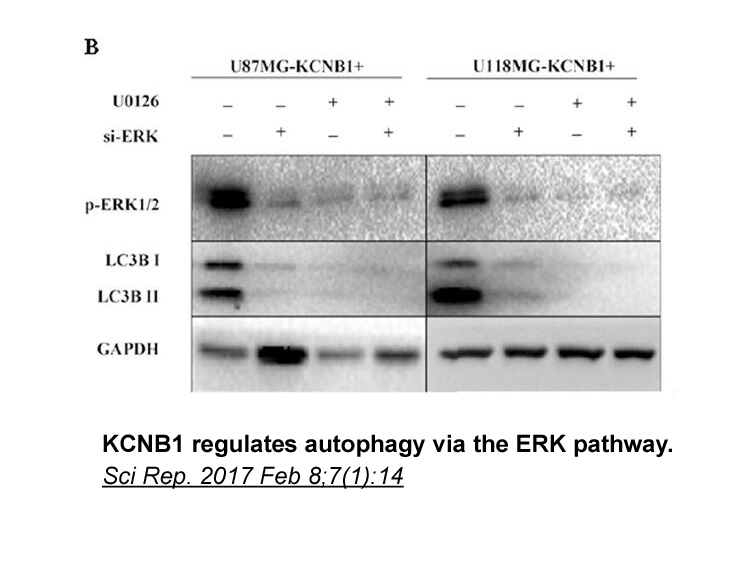
Growth hormone secretagogue receptor (GHSR) is a member of G-protein-coupled receptor family [3]. GHSR is predominantly expressed in human pituitary, rhypothalamus and hippocampus [4]. GHSR is also expressed in peripheral tissues including lungs, liver, kidney, and adrenal gland. In cardiovascular s
-
The molecular nature of these
2022-02-15
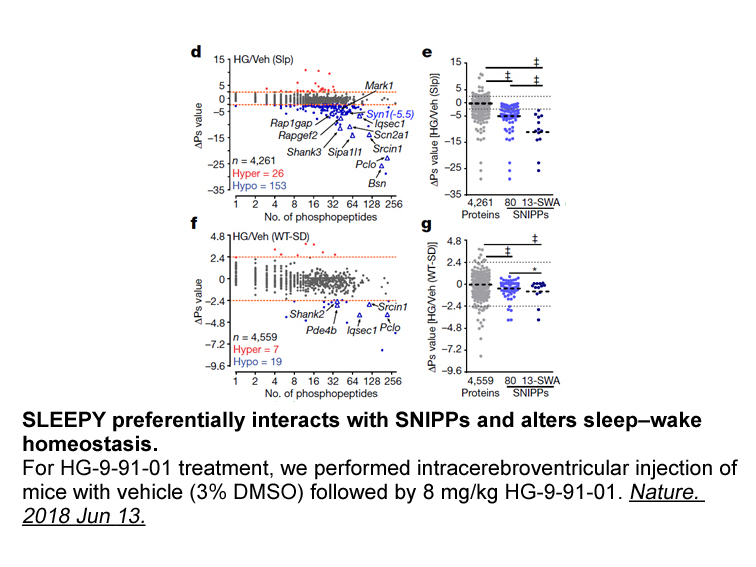
The molecular nature of these putative Ca2+ Nogo-66 (1-40) is at present unknown. Apart from the NSVDC channel, which is permeable to Ca2+ [27], [15] functional Ca2+ channels have been identified in patch clamp experiments [28]. These channels, which were characterized as B-channels, seem to have v
-
The C terminal regions in both
2022-02-15
The C-terminal regions in both FGF19 and FGF21 define their KLB interaction [15], [16], [23], [25]. However, less than 40% identity in comparative alignment of C-terminal sequences for these two proteins (Table 1) suggests that their interaction with KLB may require higher-order association with oth
-
br Introduction More than structurally different
2022-02-15
Introduction More than 30,000 structurally different isoprenoids, such as steroids, carotenoids, prenyl side-chain of quinones, prenyl proteins, and natural rubber, exist in nature. In a biosynthetic pathway, linear prenyl diphosphates are common structures as a precursor of isoprenoids, as shown
17021 records 542/1135 page Previous Next First page 上5页 541542543544545 下5页 Last page