Archives
- 2026-06
- 2026-05
- 2026-04
- 2026-03
- 2026-02
- 2026-01
- 2025-12
- 2025-11
- 2025-10
- 2025-09
- 2025-03
- 2025-02
- 2025-01
- 2024-12
- 2024-11
- 2024-10
- 2024-09
- 2024-08
- 2024-07
- 2024-06
- 2024-05
- 2024-04
- 2024-03
- 2024-02
- 2024-01
- 2023-12
- 2023-11
- 2023-10
- 2023-09
- 2023-08
- 2023-07
- 2023-06
- 2023-05
- 2023-04
- 2023-03
- 2023-02
- 2023-01
- 2022-12
- 2022-11
- 2022-10
- 2022-09
- 2022-08
- 2022-07
- 2022-06
- 2022-05
- 2022-04
- 2022-03
- 2022-02
- 2022-01
- 2021-12
- 2021-11
- 2021-10
- 2021-09
- 2021-08
- 2021-07
- 2021-06
- 2021-05
- 2021-04
- 2021-03
- 2021-02
- 2021-01
- 2020-12
- 2020-11
- 2020-10
- 2020-09
- 2020-08
- 2020-07
- 2020-06
- 2020-05
- 2020-04
- 2020-03
- 2020-02
- 2020-01
- 2019-12
- 2019-11
- 2019-10
- 2019-09
- 2019-08
- 2019-07
- 2019-06
- 2019-05
- 2019-04
- 2018-11
- 2018-10
- 2018-07
-
Apoptosis is one of critical toxic mechanisms of benzene met
2022-01-18
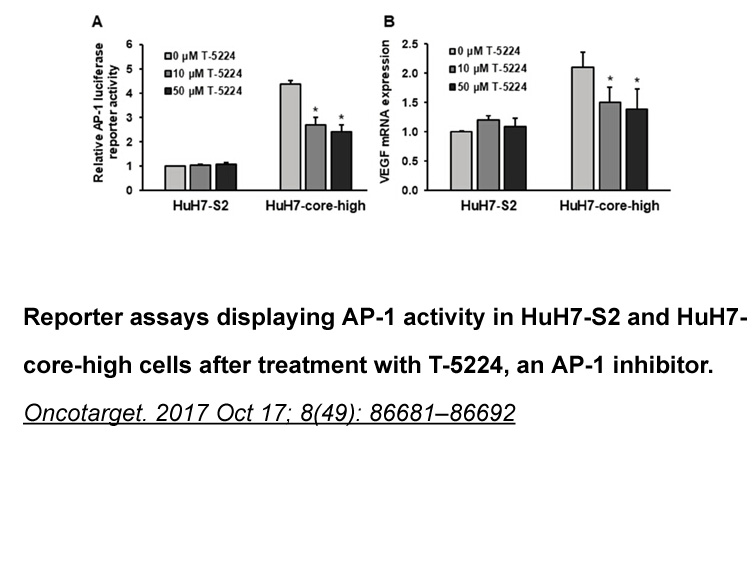
Apoptosis is one of critical toxic mechanisms of benzene metabolites. In this work, overexpression of HIF-1a could significantly reduce the increase in cell apoptosis caused by 40 μM BQ. At the meanwhile, anti-apoptotic protein Bcl-2 level was significantly elevated in HIF-1a overexpression cells th
-
In mammals meiotic maturation is the process that
2022-01-18
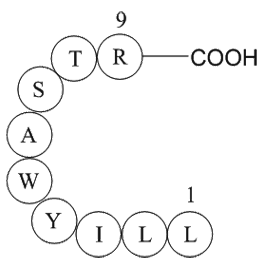
In mammals, meiotic maturation is the process that couples completion of MI with the acquisition of developmental competence to support fertilization (Figure 1). In females there are several hallmark maturation events that are linked to the cell cycle. First, meiosis is not continuous, it is initiat
-
Previous studies have established that phosphorylation of GC
2022-01-18
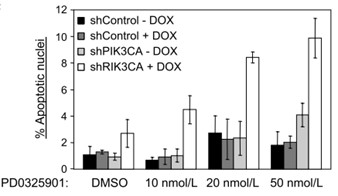
Previous studies have established that phosphorylation of GC-B is required for activation of GC-B. Conversion of all six chemically determined serine and threonine phosphorylation sites in GC-B to alanines produced a properly folded enzyme that retained GC activity under synthetic detergent activati
-
Glutathione in reduced form GSH the tripeptide glutamyl cyst
2022-01-18
Glutathione in reduced form (GSH, the tripeptide, γ-glutamyl cysteinyl glycine) is a non-enzymatic low-molecular-weight antioxidant necessary for the maintenance of a cellular redox state (Noctor et al., 2012). At the stage of the transition from germination to seedling growth the process of cell di
-
br Results br Discussion The twin cysteine motif
2022-01-18
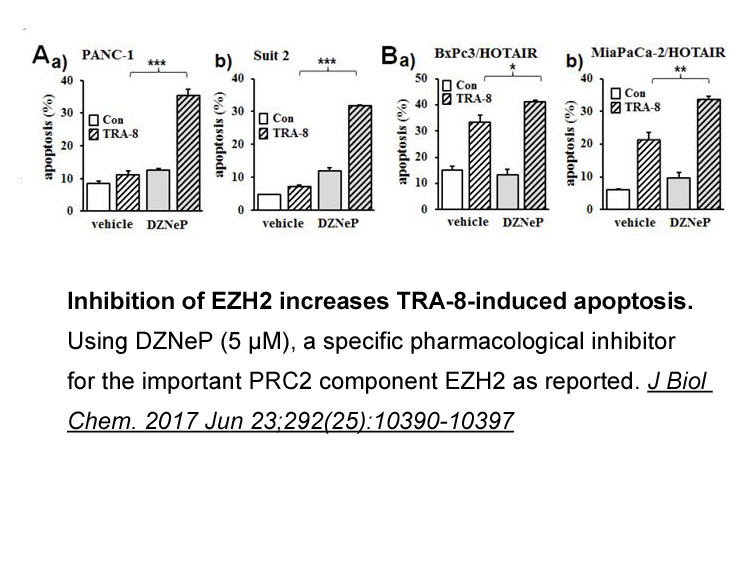
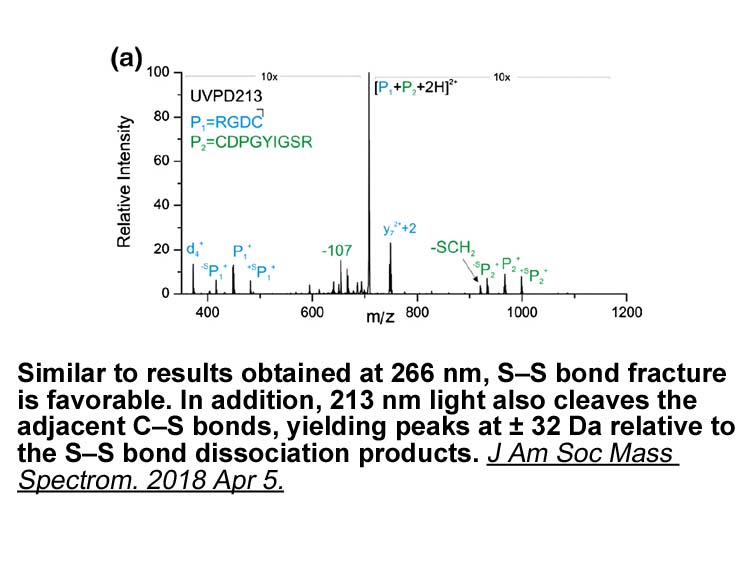
Results Discussion The twin-cysteine motif is an evolutionary conserved motif in all primate lentiviruses except HIV-1 and some strains of SIVcpz according to sequence analysis (Bohl et al., 2013). It is assumed that only those SIVcpz which have lost the twin-cysteines successfully evolved to
-
After initial validation of the ability of
2022-01-18
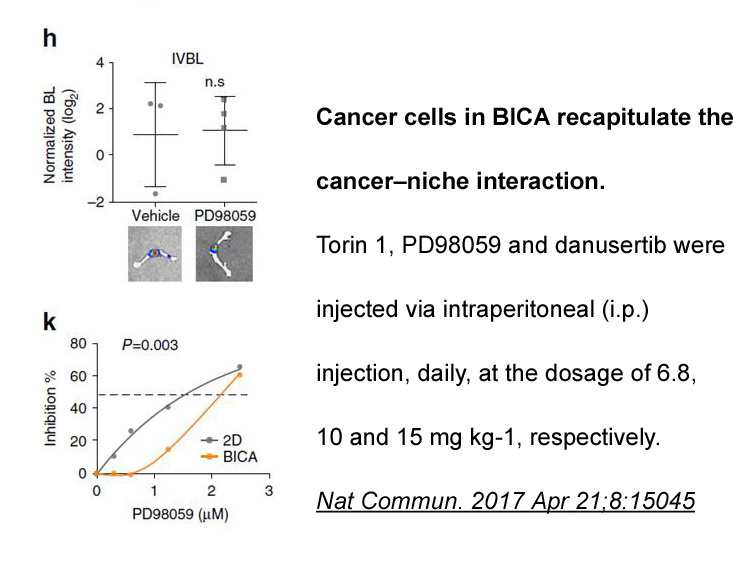
After initial validation of the ability of Ad5-Cre virus to express Cre recombinase protein in glial cells in vitro and in vivo, we employed this virus to induce site-specific deletion of our target GlyT1 in the thalamus, through injection of the cKO GlyT1 mice. This transgenic line was constructed
-
Target regulated the formation of G
2022-01-18
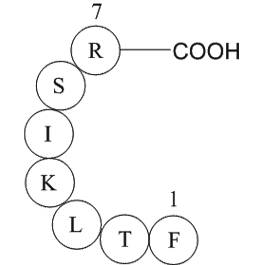
Target-regulated the formation of G-quadruplex was used here to “kill two X-NeuNAc with one stone” for the detection of melamine and I− with one probe DNA. G-quadruplexes are higher-order structures formed from G-rich oligonucleotides through the stacking of planar G-tetrads [43,44]. They have been
-
One effective approach to fine
2022-01-18
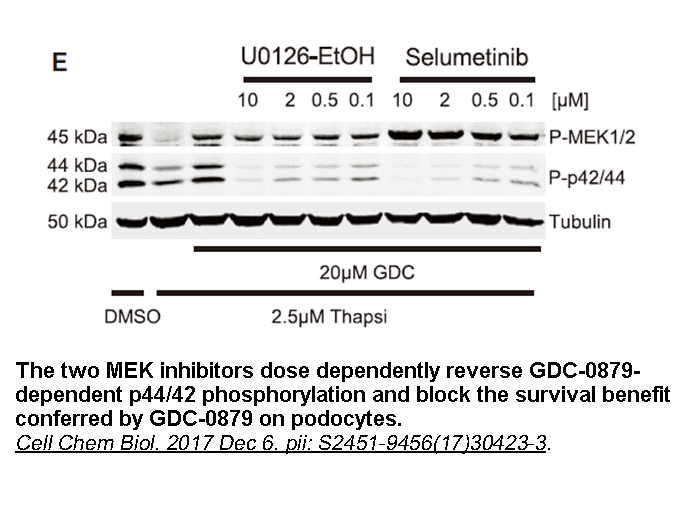
One effective approach to fine-tuning the lipophilicity profile of FFA1 agonists is to ‘decorate’ the 3-phenylpropahoic ciprofloxacin sale scaffold with polar heterocyclic moieties. Alternatively, this scaffold could be replaced with heterocyclic isosteres (as in Takeda’s compounds 1,2 and 3 as well
-
GLP is released in response to ingestion of nutrients
2022-01-18
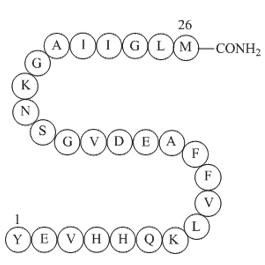
GLP-1 is released in response to ingestion of nutrients including carbohydrates, protein, and fat. Recent studies aimed at identifying the receptors involved in nutrient stimulated GLP-1 secretion have identified free fatty CUDC-907 receptor 4 (FFA4/GPR120) as a potential 7TM receptor involved in lo
-
These observations are of particular interest in the
2022-01-18
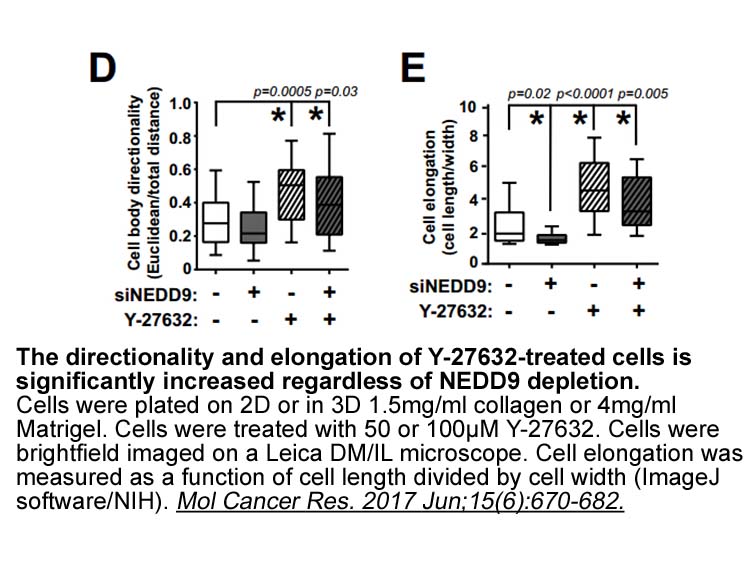
These observations are of particular interest in the context of recent conceptual changes regarding the mechanisms by which different types of leukocytes contribute to atherogenesis. Over the last decade, the paradigm of the predominant circulatory origin of lesional macrophages has been challenged
-
br Materials and methods br Results and discussion In
2022-01-18
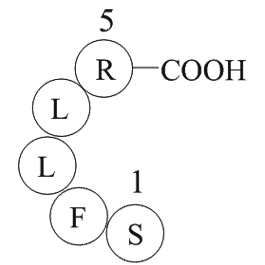
Materials and methods Results and discussion In order to identify genes required for photoautotrophic growth, we screened a random insertion mutant library of Synechocystis 6803 and obtained many mutants with impaired photoautotrophic growth. About 6000 random insertion colonies of the mutant
-
Aberrant expression of HKII may
2022-01-17
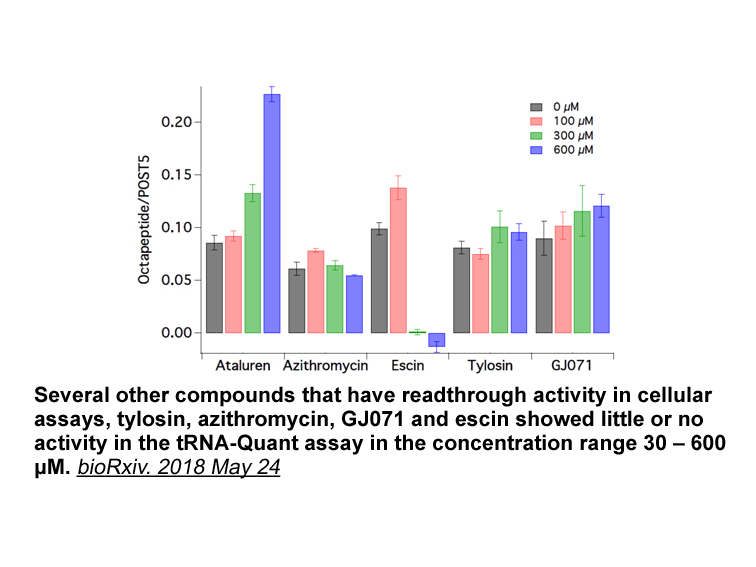
Aberrant expression of HKII may be a required feature for cancer development and progression. Overexpression of HKII has been reported in tumor tissues of cancer patients with liver [9], ovary [8], [24] and larynx [25]. The clinical significance of HKII in cancer was noted as overexpression of HKII
-
br Cholecystokinin CCK CCK is secreted by enteroendocrine
2022-01-17

Cholecystokinin (CCK) CCK is secreted by enteroendocrine I-cells of the duodenum and jejunum in response to amino acids and lipids [14]. There are two forms of the CCK receptor, CCK1 which is expressed on pancreatic α- and β-cells while CCK2 is located on somatostatin-secreting δ-cells [8]. CCK r
-
It has been shown that
2022-01-17
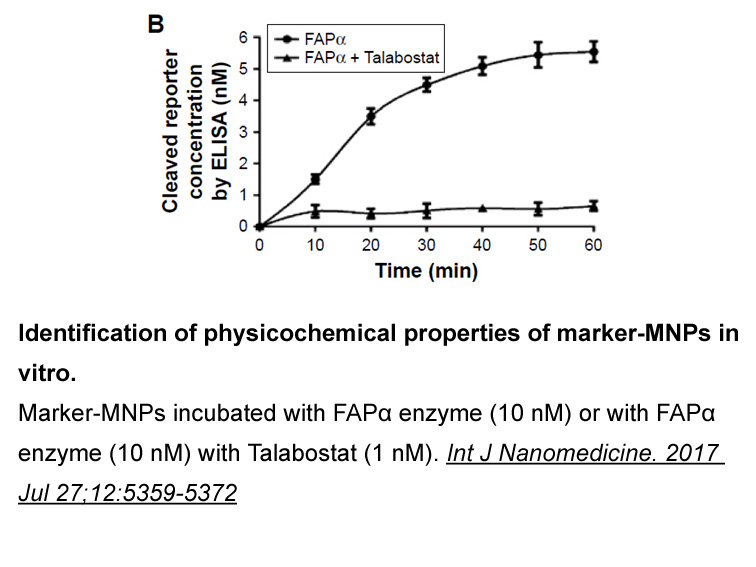
It has been shown that GPR55 receptors coupled to G12/13 proteins down-regulate reactive oxygen species (ROS) production and degranulation in human neutrophils [9]. MCs degranulation stimulated by IgE/Ag also requires the generation of ROS [64]; therefore, the possibility to explore the inhibitory a
-
Entry into CNS is tightly regulated
2022-01-17
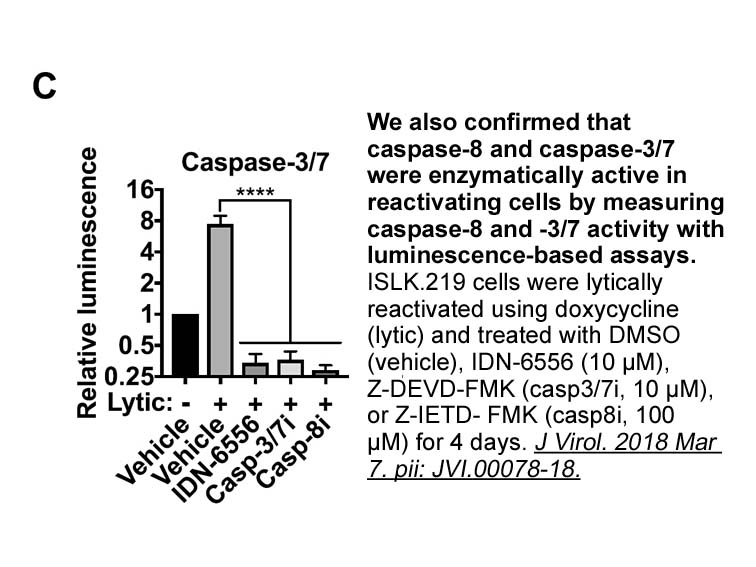
Entry into CNS is tightly regulated by highly dynamic barriers, namely, the BBB, the blood-CSF barrier, and the arachnoid epithelium (Abbott et al., 2010; Yasuda et al., 2013). Similar barriers also exist within the CNS including the ependymal barrier as well as the cellular membrane barriers of the
17021 records 557/1135 page Previous Next First page 上5页 556557558559560 下5页 Last page