Archives
- 2026-06
- 2026-05
- 2026-04
- 2026-03
- 2026-02
- 2026-01
- 2025-12
- 2025-11
- 2025-10
- 2025-09
- 2025-03
- 2025-02
- 2025-01
- 2024-12
- 2024-11
- 2024-10
- 2024-09
- 2024-08
- 2024-07
- 2024-06
- 2024-05
- 2024-04
- 2024-03
- 2024-02
- 2024-01
- 2023-12
- 2023-11
- 2023-10
- 2023-09
- 2023-08
- 2023-07
- 2023-06
- 2023-05
- 2023-04
- 2023-03
- 2023-02
- 2023-01
- 2022-12
- 2022-11
- 2022-10
- 2022-09
- 2022-08
- 2022-07
- 2022-06
- 2022-05
- 2022-04
- 2022-03
- 2022-02
- 2022-01
- 2021-12
- 2021-11
- 2021-10
- 2021-09
- 2021-08
- 2021-07
- 2021-06
- 2021-05
- 2021-04
- 2021-03
- 2021-02
- 2021-01
- 2020-12
- 2020-11
- 2020-10
- 2020-09
- 2020-08
- 2020-07
- 2020-06
- 2020-05
- 2020-04
- 2020-03
- 2020-02
- 2020-01
- 2019-12
- 2019-11
- 2019-10
- 2019-09
- 2019-08
- 2019-07
- 2019-06
- 2019-05
- 2019-04
- 2018-11
- 2018-10
- 2018-07
-
The aim of this paper is to study
2021-06-19
The aim of this paper is to study the long-term socioeconomic impacts of local heat entrepreneurship from 2000 to 2016. The analysis focuses on impacts of the biomass-based district heat production on employment and income in a small peripheral community, called Eno, located in North Karelia, Finlan
-
For these reasons molecules of
2021-06-19

For these reasons, molecules of the ET family and in particular ET-1 are considered useful factors in the evaluation of malignancy and in consequence, in the prognosis for several forms of neoplasia, such as ovarian (Bagnato et al., 2005), prostate (Nelson et al, 1995, Nelson et al, 1996), colorecta
-
The enantiomeric ratio ER of chiral compounds accumulated in
2021-06-19
The enantiomeric ratio (ER) of chiral compounds accumulated in organisms has been found to be different among species (Borga and Bidleman, 2005, Harner et al., 1999, Warner et al., 2005, Wiberg et al., 2000), indicating enantioselective accumulation of chiral compounds are species-specific. The ER o
-
It has only recently been appreciated that antigen activated
2021-06-19
It has only recently been appreciated that antigen-activated tivozanib sale undertake two additional transient migrations during the early stages of T-dependent antibody responses. In the first of these, antigen-activated B cells migrate rapidly (within 2–3h) to the outer regions of the follicle bef
-
E ubiquitin ligases are key players in the ubiquitin
2021-06-19
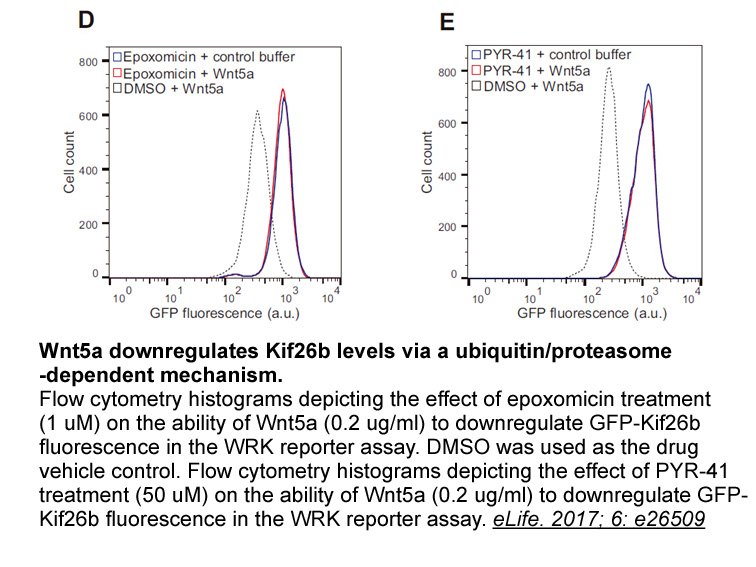
E3 ubiquitin ligases are key players in the ubiquitin-proteasome pathway because they catalyse ubiquitination of substrate proteins.39, 40, 41 As important regulators of cellular ubiquitination, E3 ligases are emerging as attractive drug targets, particularly in cancer.42, 43, 44 However, E3 ligases
-
Neurons in the striatum unlike those in the
2021-06-19
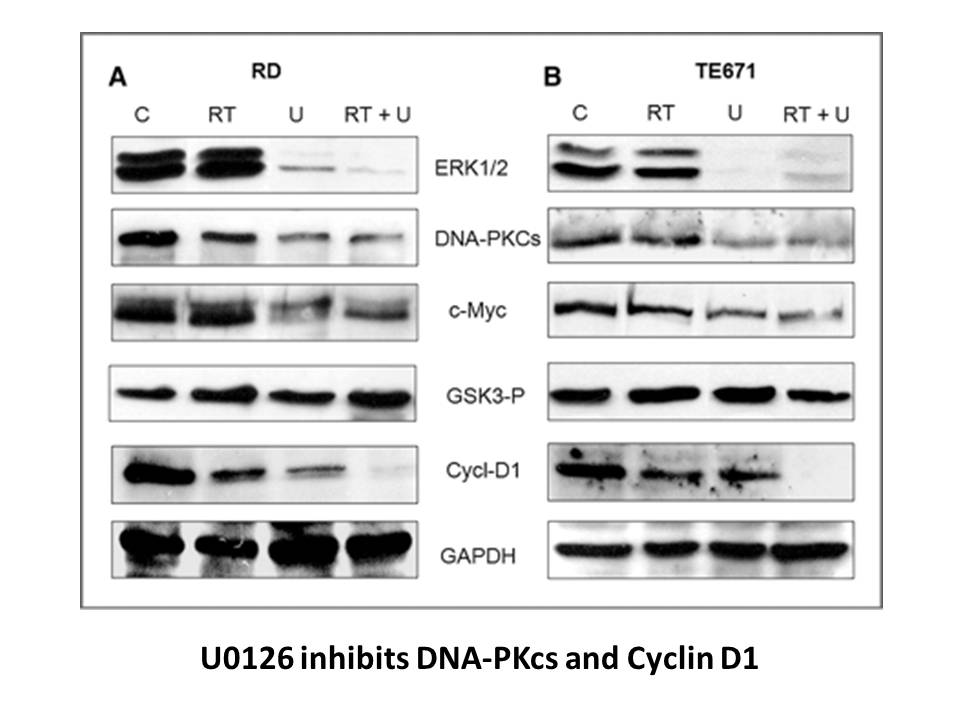
Neurons in the striatum, unlike those in the EMD638683 mg and cerebellum, do not form a layered or columnar structure. Although they appear to be randomly distributed, they are actually scattered in two embryologically different compartments called striosomes (often referred to as “patches” in rode
-
Fig D shows that E lagascae VIR
2021-06-19
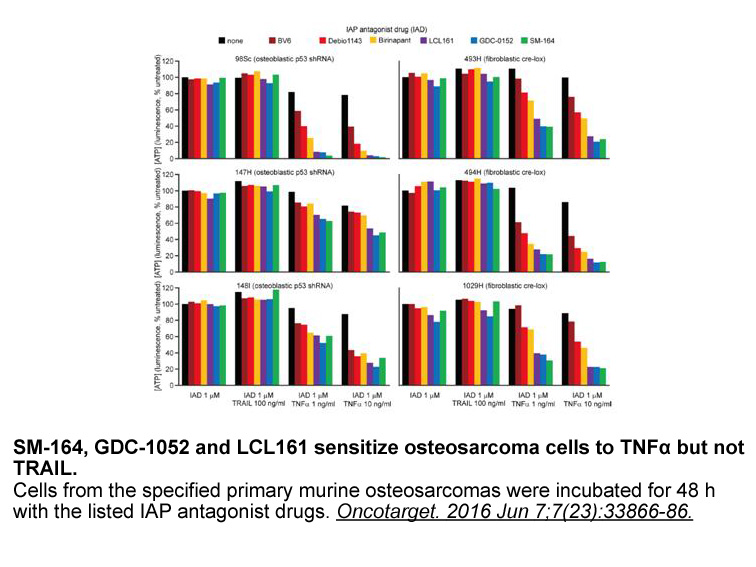
Fig. 2D shows that E. lagascae VIR E gives two species of radioactive TAG: one represents 45% of total labelled TAG and the smaller more-polar spot (15%) is probably derived from the endogenous 1,2-divernolin instead of the exogenous 1,2-diolein. In this case, the total scintillation counts were gre
-
DDR plays a crucial role
2021-06-19

DDR2 plays a crucial role in regulating a wide variety of fundamental cellular processes, including cell proliferation, differentiation, and adhesion [17], [28], [29], [30]. The authors revealed compromised cell migration in DDR2-silenced fibroblasts exposed to Ang II, most likely due to the loss of
-
Recent pharmaceutical research in the field
2021-06-19
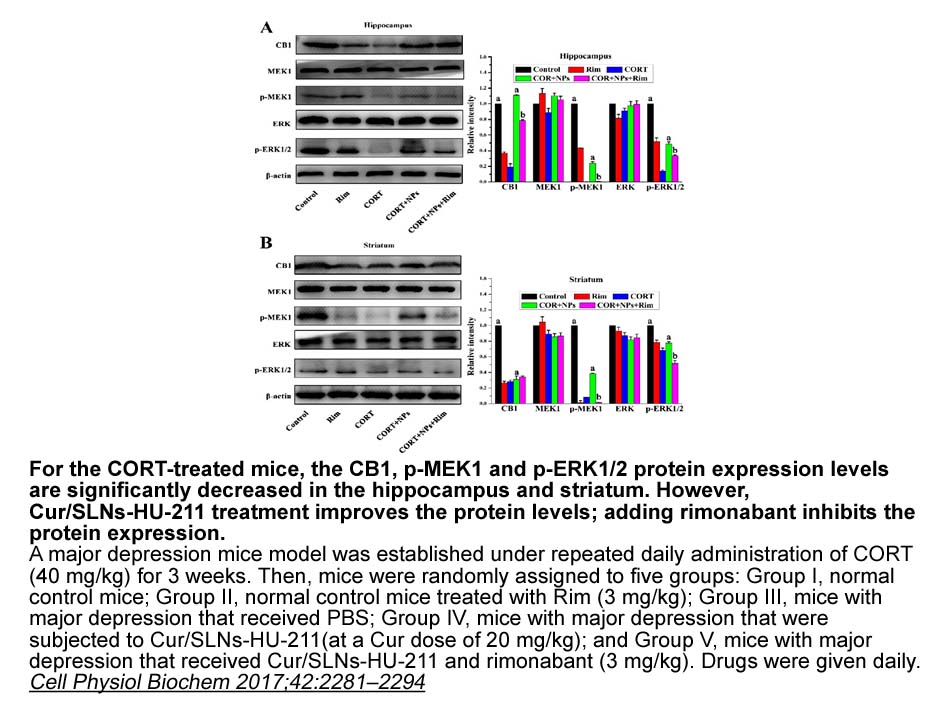
Recent pharmaceutical research in the field of respiratory diseases has sought to make available new agents that specifically and selectively antagonize the actions of cysteinyl–leukotrienes. Such an effort has resulted in the development of two classes of drugs, effective in counteracting Cys-LTs p
-
br Funding This work was
2021-06-19
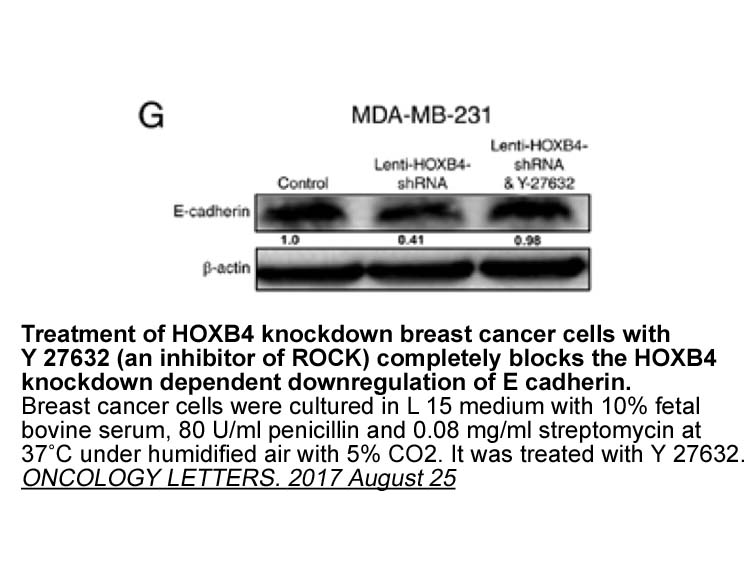
Funding This work was supported by grants to A.S. from the Swedish Cancer Foundation, Sweden (Grant number: CAN, 2015/637), the Swedish Medical Council, Sweden (Grant number: 2017- 01274), the Foundations at Skåne University Hospital, Sweden and to KB, SRS, NC, BCS, and SS from the Royal Physiogr
-
Studies also provide evidence that cytokines
2021-06-19
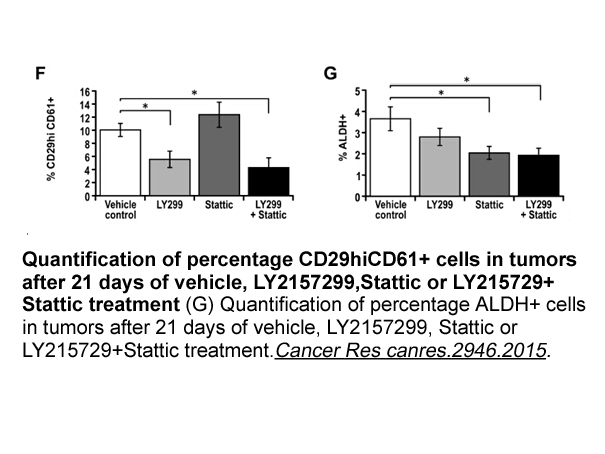
Studies also provide evidence that cytokines such as TGF-β, a TH3-type cytokine, may also play a role in airway remodeling. Data obtained by Cohen et al suggest that TGF-β1 can induce human BSMC proliferation by increasing the expression of IGFBP-3. Hence, the mitogenic action of TGF-β1 could be rel
-
To evaluate the new quadrupolar CPA qCPA the pure
2021-06-18
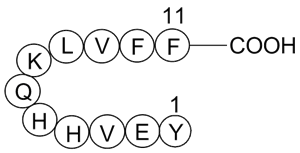
To evaluate the new quadrupolar CPA (qCPA) the pure fluid properties of CO2 are predicted both in the critical region and in the compressed liquid region. The model is furthermore applied for the prediction and correlation of binary mixtures with CO2 and n-alkanes, water, alcohols and a few quadrupo
-
The mechanism underlying the increased PON levels
2021-06-18
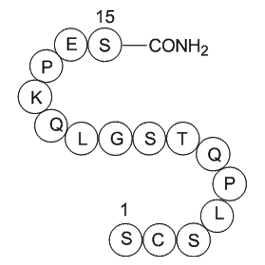
The mechanism underlying the increased PON1 levels found in greenhouse workers may be accounted for by an increased protein Neochlorogenic acid following pesticide interaction with different nuclear receptors as also occurs with other chemicals, such as polyphenols and statins [28]. A number of nuc
-
In mouse lung arsenite enhances the formation of cigarette
2021-06-18
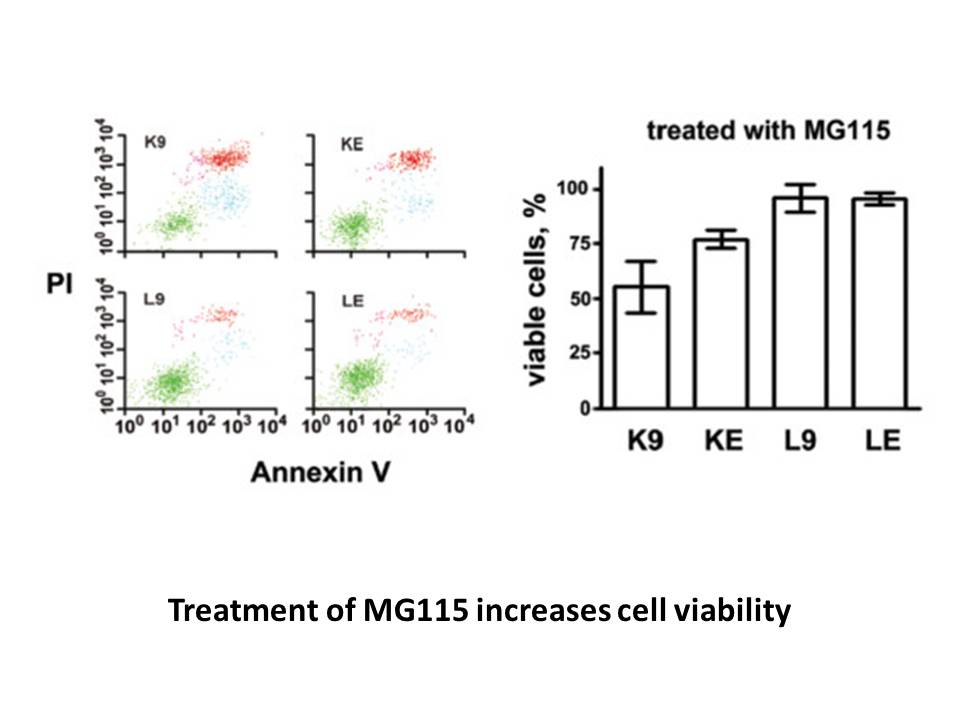
In mouse lung, arsenite enhances the formation of cigarette smoke-induced 8-oxodeoxyguanine (Hays et al., 2006) and BaP-induced DNA adducts (Evans et al., 2004). Moreover, arsenite inhibits the repair of BaP-induced DNA adducts in human lung carcinoma A549 Caffeine (Schwerdtle et al., 2003), indica
-
In the present study we investigated the effect of morphine
2021-06-18

In the present study we investigated the effect of morphine withdrawal on G-protein coupling to opioid and ET receptors in neonatal rats. Morphine-induced G-protein activation was significantly higher in neonatal rats undergoing morphine withdrawal; suggesting enhanced coupling of the receptors to G
17019 records 686/1135 page Previous Next First page 上5页 686687688689690 下5页 Last page