Archives
- 2026-06
- 2026-05
- 2026-04
- 2026-03
- 2026-02
- 2026-01
- 2025-12
- 2025-11
- 2025-10
- 2025-09
- 2025-03
- 2025-02
- 2025-01
- 2024-12
- 2024-11
- 2024-10
- 2024-09
- 2024-08
- 2024-07
- 2024-06
- 2024-05
- 2024-04
- 2024-03
- 2024-02
- 2024-01
- 2023-12
- 2023-11
- 2023-10
- 2023-09
- 2023-08
- 2023-07
- 2023-06
- 2023-05
- 2023-04
- 2023-03
- 2023-02
- 2023-01
- 2022-12
- 2022-11
- 2022-10
- 2022-09
- 2022-08
- 2022-07
- 2022-06
- 2022-05
- 2022-04
- 2022-03
- 2022-02
- 2022-01
- 2021-12
- 2021-11
- 2021-10
- 2021-09
- 2021-08
- 2021-07
- 2021-06
- 2021-05
- 2021-04
- 2021-03
- 2021-02
- 2021-01
- 2020-12
- 2020-11
- 2020-10
- 2020-09
- 2020-08
- 2020-07
- 2020-06
- 2020-05
- 2020-04
- 2020-03
- 2020-02
- 2020-01
- 2019-12
- 2019-11
- 2019-10
- 2019-09
- 2019-08
- 2019-07
- 2019-06
- 2019-05
- 2019-04
- 2018-11
- 2018-10
- 2018-07
-
PRT062607 Hydrochloride receptor br Activity and expression
2024-10-10
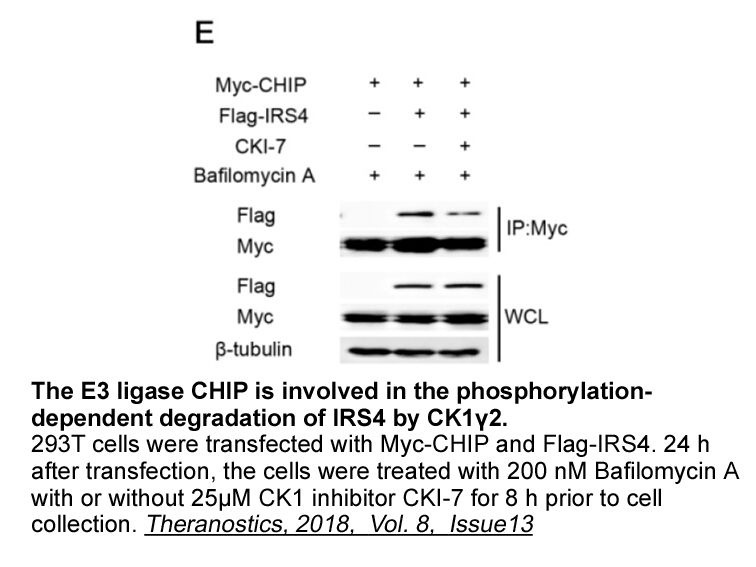
Activity and expression of aromatase in the hippocampus The brain, like the adrenals, gonads and the placenta, is a steroidogenic organ. This paradigm emerged from studies carried out as early as the 1980s by Baulieu and co-workers; these studies showed that steroids such as pregnenolone and dehy
-
Limitations of this study include the use
2024-10-10
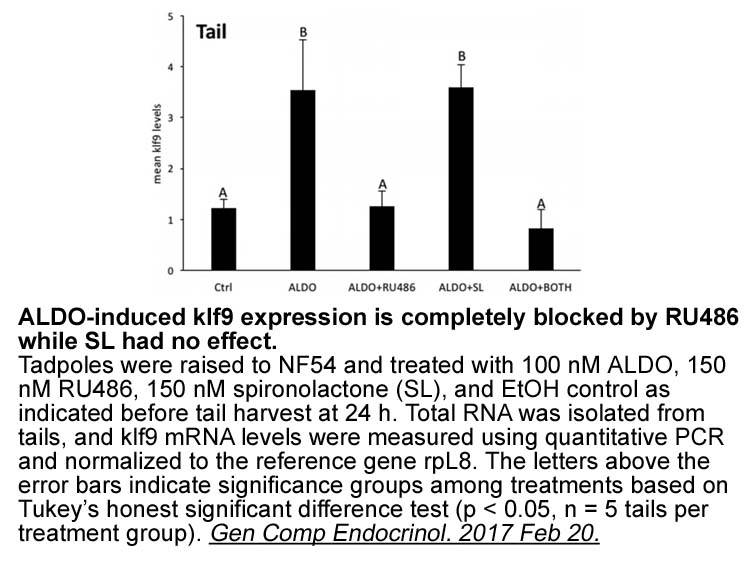
Limitations of this study include the use of HL-1 cardiomyocytes, which show different characteristics than primary cardiomyocytes [56]. Furthermore, sustained TAC in Ampkα1-deficient mice did not favorably influence cardiac function [33]. It must be kept in mind that global Ampkα1-deficiency may af
-
According to the present observations the Ampk isoform
2024-10-10
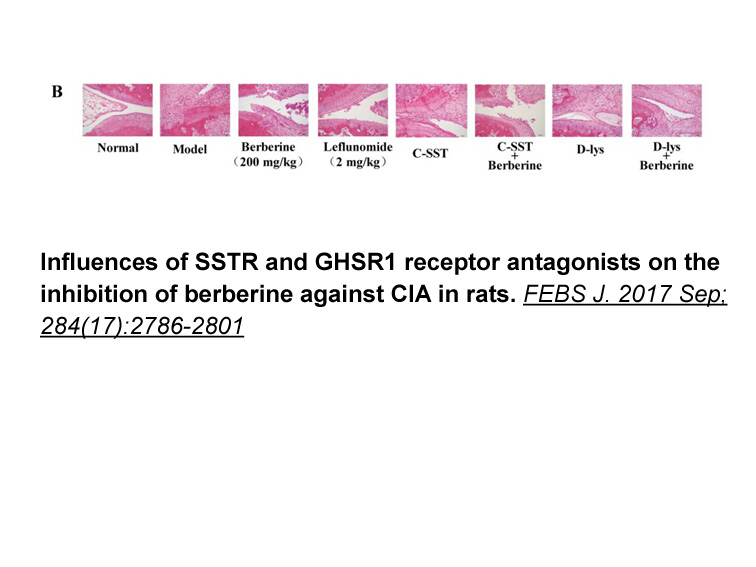
According to the present observations, the Ampkα1 isoform promotes AP-1 transcriptional activity and thereby fosters Cdk1/2 Inhibitor III of AP-1 target genes in cardiomyocytes via activation of Pkcζ. The transcription factor AP-1 plays a decisive role during cardiac remodeling [24], [25], [26], [3
-
It has been proposed that a
2024-10-10
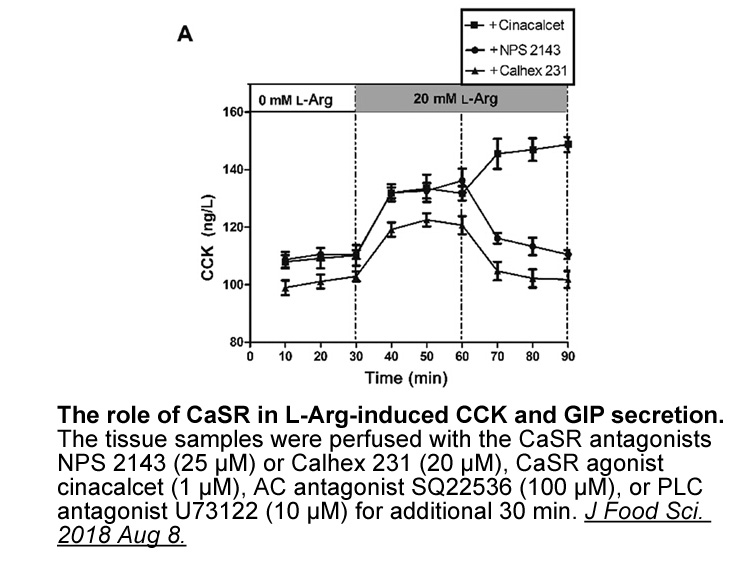
It has been proposed that a PrP pathogenic mechanism is a toxic gain of function secondary to the misfolding of mutated PrP. However, such a mechanism might not apply to all mutant PrP species, since some mutations had little effect on the stability and folding kinetics of PrP (Swietnicki et al., 19
-
Under some pathological conditions AT
2024-10-10
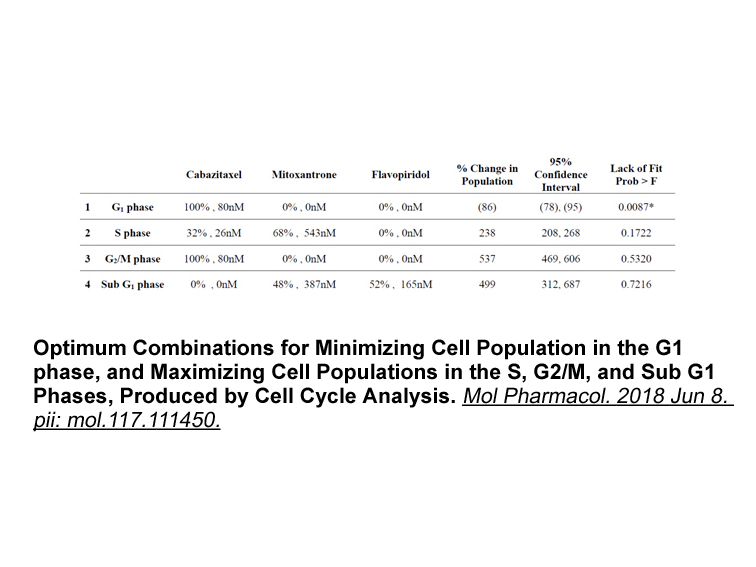
Under some pathological conditions, AT1R internalization is decreased when agonist exposure is prolonged. This weakens or removes the AT1R desensitization effect and leads to AT1R and downstream signal overactivation. AT1R overactivation can result in continued biological effects such as sustained v
-
Splitomicin synthesis What are the in situ effects of multi
2024-10-10
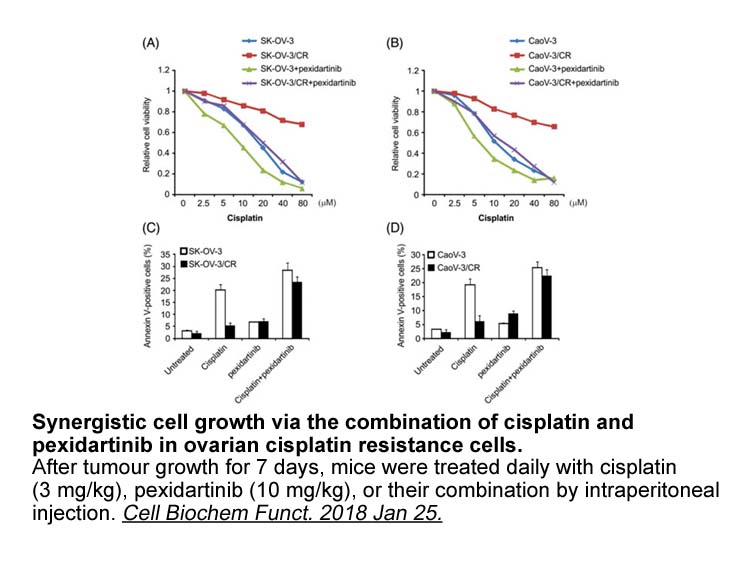
What are the in-situ effects of multi-site CaM associations with AT1R? Kai et al. showed that synthetic peptides corresponding to residues 125–137 (rat sequence) in SMD2, 217–227 in the N-terminal side of SMD3, and 304–316 in SMD4JM inhibit to various degrees AngII-induced GTPase activity of isolate
-
Finally microRNAs miRNA seem to play an important
2024-10-10
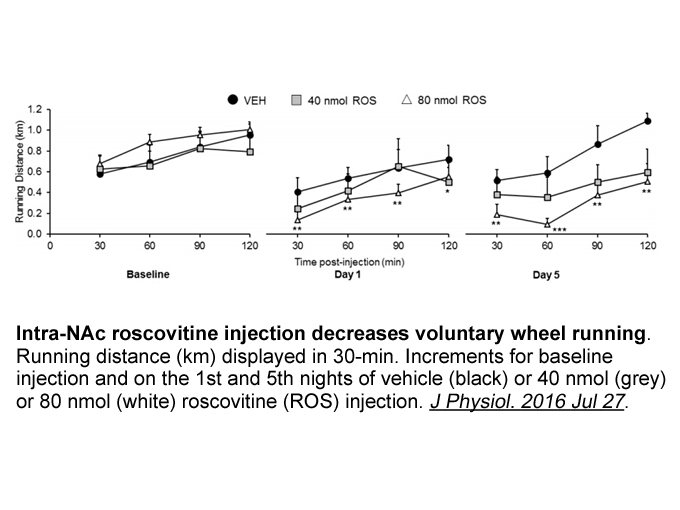
Finally, microRNAs (miRNA) seem to play an important role in AR signaling in BC. Some authors have described a differential Phleomycin of miRNAs in AR-positive BCs compared to AR-negative ones. VEGF and mTOR pathways were also reported as implicated in miRNA dysregulation, suggesting a common under
-
Danoprevir br Acknowledgments br Introduction Angiotensin II
2024-10-10
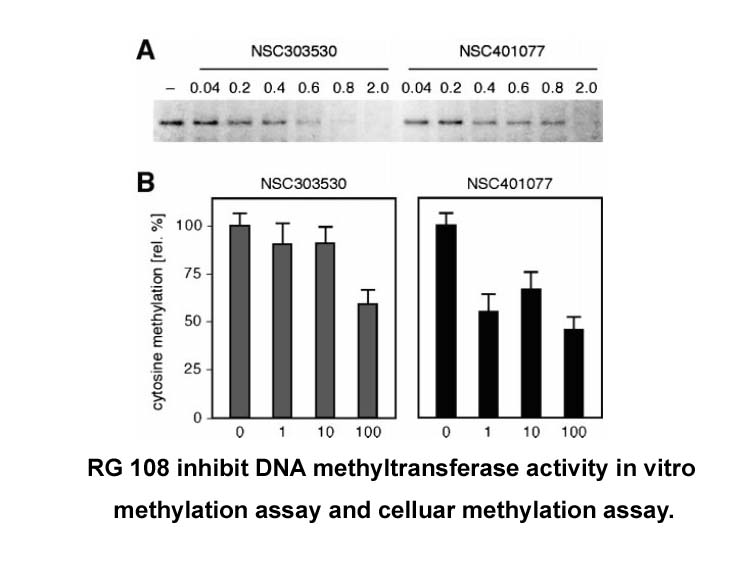
Acknowledgments Introduction Angiotensin II (AngII) is among the most potent vasoactive substances produced in humans. Its effects are numerous, from vasoconstriction to control of fluid and electrolytes balances. Many of the physiological and pathological effects of AngII are mediated by the
-
There are several reports providing evidences that
2024-10-10
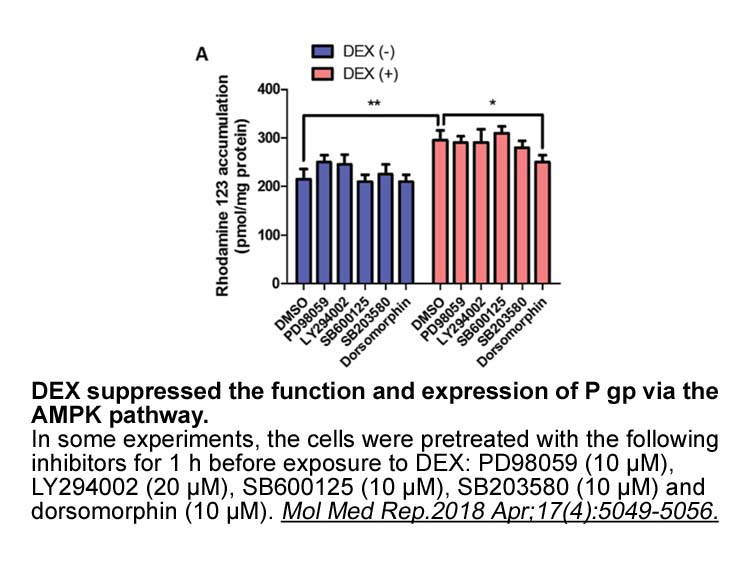
There are several reports providing evidences that functional and mechanistic connection between Sirt1 and LKB1/AMPK in metabolic regulation [26], [32], [33]. It has been reported that the deacetylation of LKB1 by Sirt1 is one of the determining factors of the subcellular localization of LKB1. In ag
-
A requirement for active PKA signaling during LTD
2024-10-10
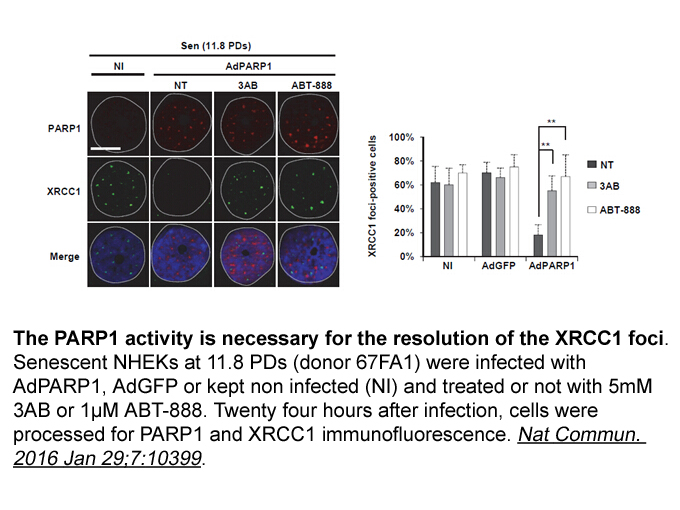
A requirement for active PKA signaling during LTD induction was proposed in studies characterizing AKAP150 D36mice (Lu et al., 2008), but linking impaired LTD in D36 mice to PKA signaling deficits was complicated by subsequent work showing substantial increases in the number of dendritic spines and
-
Our results lead to the discovery and characterization of
2024-10-10
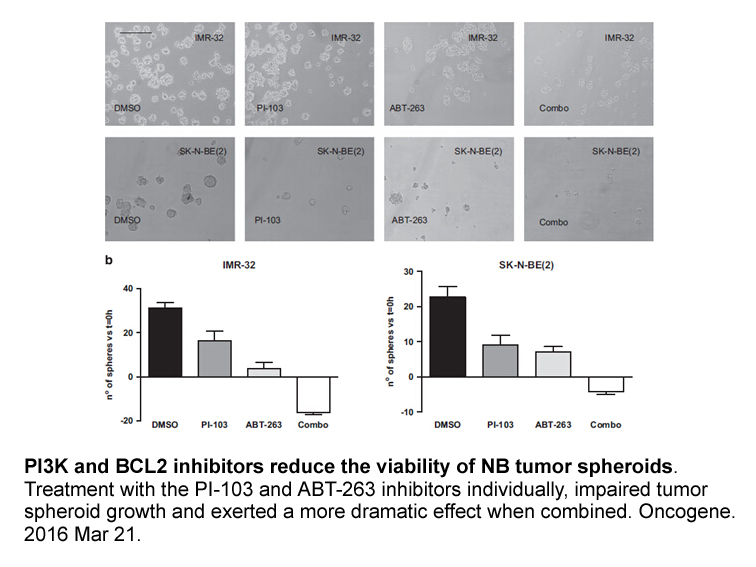
Our results lead to the discovery and characterization of VvAAT2, a gene potentially involved in acetate accumulation in grape berries discovered through amino-acid feeding experiments. Incubation with exogenous amino acids has also been a key in the discovery of new genes affecting fruit aromas [1
-
In large biopsies series from
2024-10-10
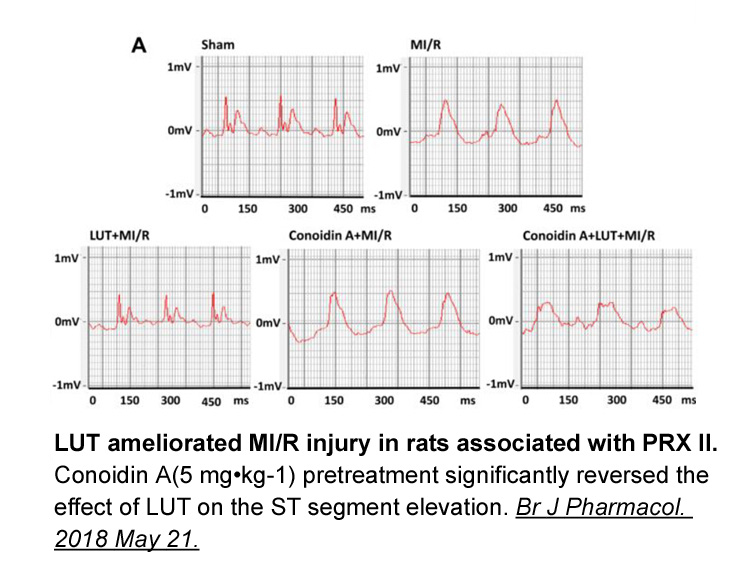
In large biopsies series from ALK+ NSCLC treated patients, the number of detected mutations increased after second generation ALKi (Gainor et al., 2016) and in one study were present in 56% of the entire cohort (Shaw et al., 2013b). For example, the rate of G1202R mutations increases from 2% in post
-
In conclusion we show that HBP is phosphorylated on three
2024-10-10

In conclusion, we show that HBP1 is phosphorylated on three sites, which control HBP1 transcriptional activity and glioblastoma cell proliferation. This phosphorylation largely depends on AKT, although other kinases may also be involved. In a previous study, we had shown that the PI3K-AKT pathway re
-
The mechanisms that control Ahr
2024-10-10
The mechanisms that control Ahr transcription are poorly understood, especially when considering cell type-specific regulation. A recent report suggested that the Ahr transcription might be directly promoted by RORγt [retinoic GW9662 receptor (RAR)-related orphan receptor γt] based on ChIP-Seq anal
-
br Theoretical mechanism of ABCA activity in LE LY in
2024-10-10
Theoretical mechanism of ABCA2 activity in LE/LY in modulation of cholesterol trafficking It is important to confirm that ABCA2 is a lipid transporter and identify the substrates that are mechanistic in its cholesterol sequestering activity. We hypothesize that ABCA2 modulates cholesterol sequest
17032 records 95/1136 page Previous Next First page 上5页 9192939495 下5页 Last page