Archives
- 2026-11
- 2026-10
- 2026-09
- 2026-08
- 2026-07
- 2026-06
- 2026-05
- 2026-04
- 2026-03
- 2026-02
- 2026-01
- 2025-12
- 2025-11
- 2025-10
- 2025-09
- 2025-03
- 2025-02
- 2025-01
- 2024-12
- 2024-11
- 2024-10
- 2024-09
- 2024-08
- 2024-07
- 2024-06
- 2024-05
- 2024-04
- 2024-03
- 2024-02
- 2024-01
- 2023-12
- 2023-11
- 2023-10
- 2023-09
- 2023-08
- 2023-07
- 2023-06
- 2023-05
- 2023-04
- 2023-03
- 2023-02
- 2023-01
- 2022-12
- 2022-11
- 2022-10
- 2022-09
- 2022-08
- 2022-07
- 2022-06
- 2022-05
- 2022-04
- 2022-03
- 2022-02
- 2022-01
Target regulated the formation of G
2022-01-18
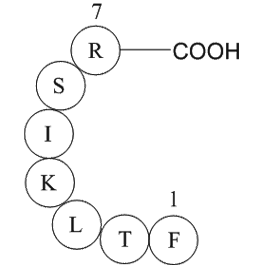
Target-regulated the formation of G-quadruplex was used here to “kill two X-NeuNAc with one stone” for the detection of melamine and I− with one probe DNA. G-quadruplexes are higher-order structures formed from G-rich oligonucleotides through the stacking of planar G-tetrads [43,44]. They have been
One effective approach to fine
2022-01-18
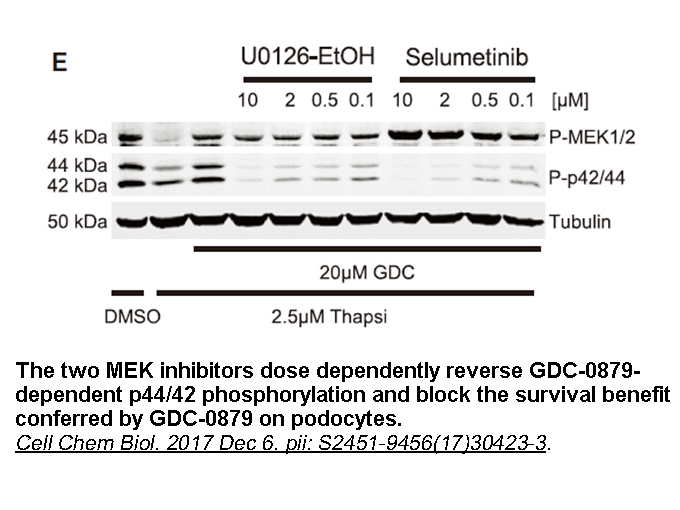
One effective approach to fine-tuning the lipophilicity profile of FFA1 agonists is to ‘decorate’ the 3-phenylpropahoic ciprofloxacin sale scaffold with polar heterocyclic moieties. Alternatively, this scaffold could be replaced with heterocyclic isosteres (as in Takeda’s compounds 1,2 and 3 as well
GLP is released in response to ingestion of nutrients
2022-01-18
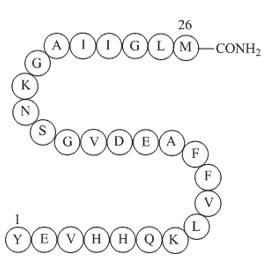
GLP-1 is released in response to ingestion of nutrients including carbohydrates, protein, and fat. Recent studies aimed at identifying the receptors involved in nutrient stimulated GLP-1 secretion have identified free fatty CUDC-907 receptor 4 (FFA4/GPR120) as a potential 7TM receptor involved in lo
These observations are of particular interest in the
2022-01-18
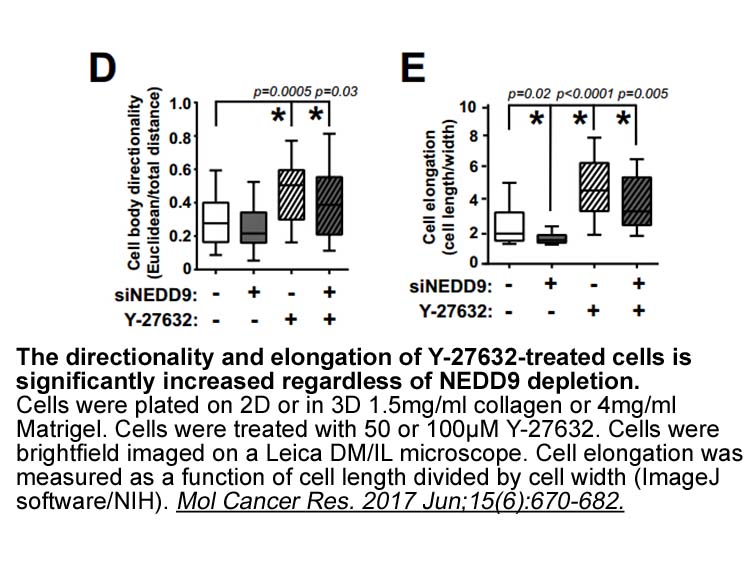
These observations are of particular interest in the context of recent conceptual changes regarding the mechanisms by which different types of leukocytes contribute to atherogenesis. Over the last decade, the paradigm of the predominant circulatory origin of lesional macrophages has been challenged
br Materials and methods br Results and discussion In
2022-01-18
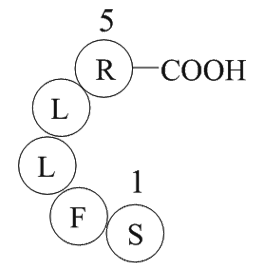
Materials and methods Results and discussion In order to identify genes required for photoautotrophic growth, we screened a random insertion mutant library of Synechocystis 6803 and obtained many mutants with impaired photoautotrophic growth. About 6000 random insertion colonies of the mutant
Aberrant expression of HKII may
2022-01-17
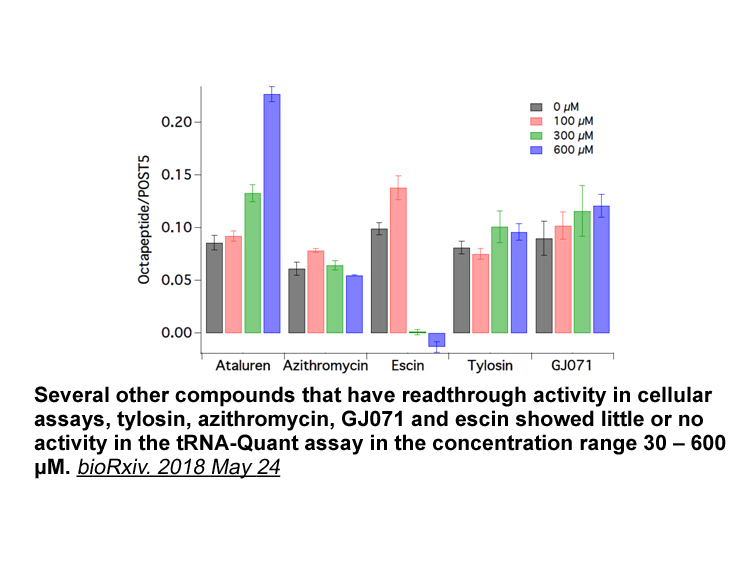
Aberrant expression of HKII may be a required feature for cancer development and progression. Overexpression of HKII has been reported in tumor tissues of cancer patients with liver [9], ovary [8], [24] and larynx [25]. The clinical significance of HKII in cancer was noted as overexpression of HKII
br Cholecystokinin CCK CCK is secreted by enteroendocrine
2022-01-17
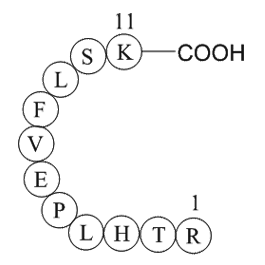
Cholecystokinin (CCK) CCK is secreted by enteroendocrine I-cells of the duodenum and jejunum in response to amino acids and lipids [14]. There are two forms of the CCK receptor, CCK1 which is expressed on pancreatic α- and β-cells while CCK2 is located on somatostatin-secreting δ-cells [8]. CCK r
It has been shown that
2022-01-17
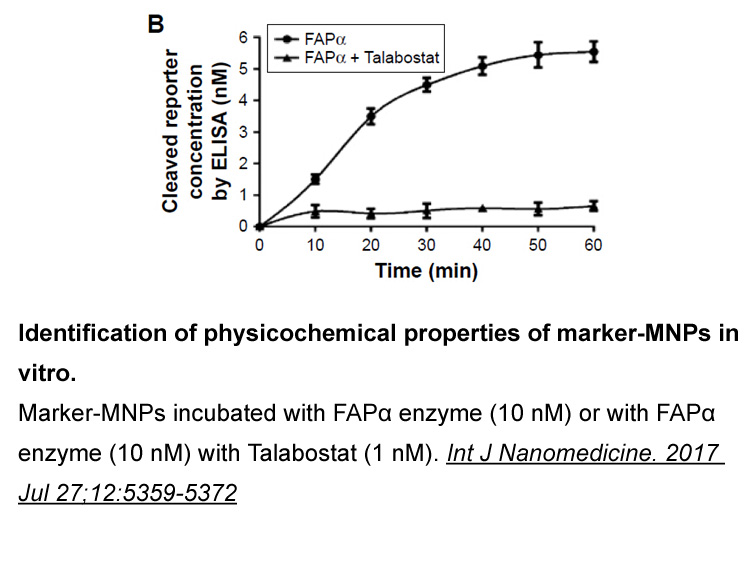
It has been shown that GPR55 receptors coupled to G12/13 proteins down-regulate reactive oxygen species (ROS) production and degranulation in human neutrophils [9]. MCs degranulation stimulated by IgE/Ag also requires the generation of ROS [64]; therefore, the possibility to explore the inhibitory a
Entry into CNS is tightly regulated
2022-01-17
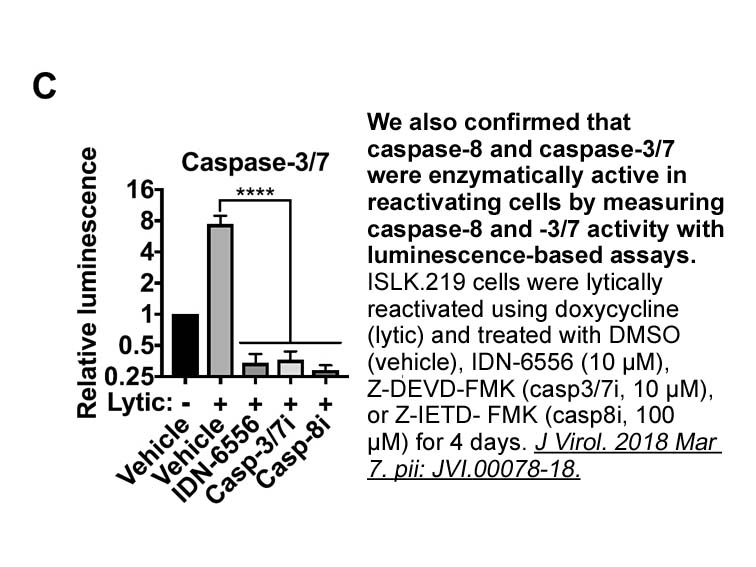
Entry into CNS is tightly regulated by highly dynamic barriers, namely, the BBB, the blood-CSF barrier, and the arachnoid epithelium (Abbott et al., 2010; Yasuda et al., 2013). Similar barriers also exist within the CNS including the ependymal barrier as well as the cellular membrane barriers of the
cAMP is a key secondary messenger which transduces extracell
2022-01-17
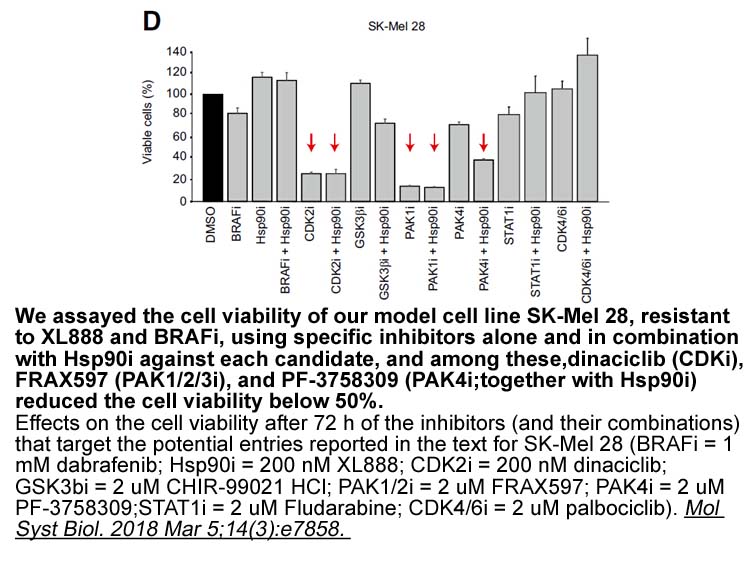
cAMP is a key secondary messenger which transduces extracellular signals at glucagon receptors to intracellular effector molecules. cAMP-protein kinase A (PKA) pathway increases the gene expression of enzymes including phosphoenolpyruvate carboxykinase (PEPCK) and glucose 6-phosphatase (G6Pase) whic
Immunohistochemistry analysis shown ghrelin and GHSR
2022-01-17
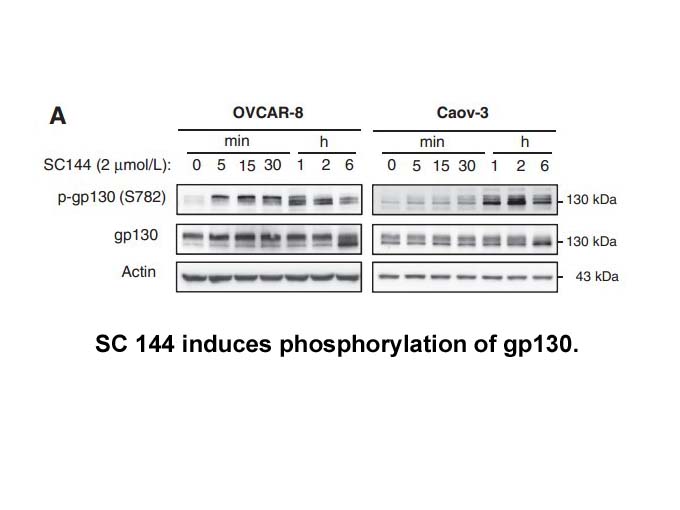
Immunohistochemistry analysis shown ghrelin and GHSR-1a immunostaining was located in the epithelial cells of NVP-BSK805 and ducts throughout the lactation, strong immunoreactive cells were detected in L30, L60 and L120 stage. The distribution of ghrelin has been shown in many tissues, including ma
Therefore as it stands presenilin
2022-01-17
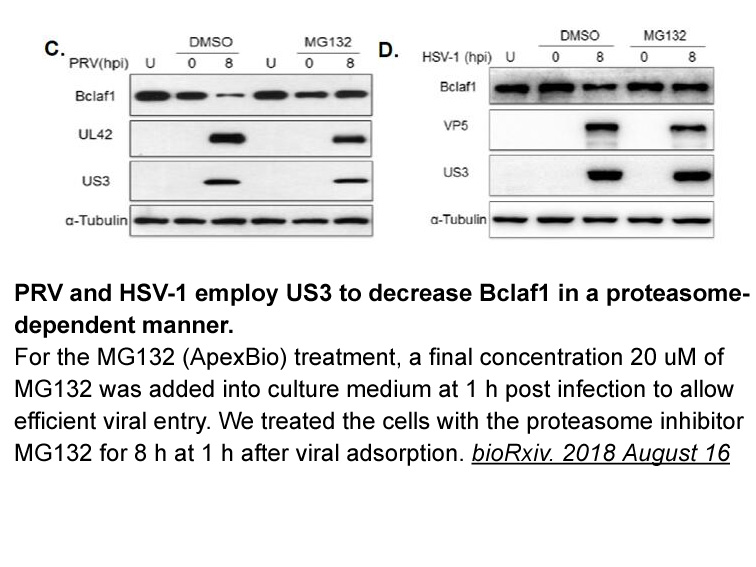
Therefore as it stands, presenilin has a γ-secretase-independent role in regulating protein trafficking, proteolysis and degradation, however given that inhibition of γ-secretase activity can have a negative effect on protein trafficking [69], [98], we cannot exclude the possibility that some of the
br Results br Discussion The inflammasome consists of the se
2022-01-17
Results Discussion The inflammasome consists of the sensor molecule nucleotide oligomerization domain (NOD)-like receptors (NLRs), the adaptor protein ASC, and the BI6727 molecule CASP1 (Guo et al., 2015). Among the different types of inflammasome, the NLRP3 inflammasome requires a priming st
br Notch Similar to the Wnt and Hedgehog
2022-01-15
Notch Similar to the Wnt and Hedgehog pathways as discussed earlier, Notch is an evolutionarily conserved primordial developmental pathway which affects patterning, and has an important role to play in cancer biology ranging from angiogenesis to cancer stem VUF 10166 to tumor immunity [88]. Notch
The rationale for developing HDACi as anticancer agents was
2022-01-15
The rationale for developing HDACi as anticancer agents was based on their ability to induce the hyperacetylation of histones and nonhistone proteins, resulting in increased differentiation, apoptosis, and Epothilone B arrest of cancer cells 1, 2, 3. HDACi have been used in the treatment of hematol
8731 records 573/583 page Previous Next First page 上5页 571572573574575 下5页 Last page